Hope All Is Well: 35 Better Ways to Say “Hope All Is Well” in USA Communication
“Hope all is well” is a simple greeting used in messages and emails. It means you wish someone is doing fine in their life or work. People use it to start polite and respectful communication.
Many people use this phrase in daily emails and chats. It feels friendly and safe in both formal and informal writing. But it can sound common because it is used very often.
This phrase is common in business and personal communication today. It helps set a polite tone at the start of a message. Writers often replace it with fresh greetings for better impact.
1. I hope this message finds you well
“I hope this message finds you well” is one of the most widely used email greetings in the USA. It feels polite and structured, especially in formal communication. People use it in workplaces because it creates a respectful opening without sounding too emotional or too casual.
This phrase works strongly in professional email opening lines because it sets a calm tone before the main message. It fits well in email etiquette rules where clarity and respect matter. It also helps in customer communication when you want to sound professional but still human.
In real use, you often see it in follow-up emails or first-time contact messages. For example, “I hope this message finds you well as we move forward with your request.” It keeps communication smooth and neutral, which is why it remains popular.
Read Also : Funny Ways to Say Hello: Funny Ways to Say Hello in Text Messages (USA Guide)
2. Trust you’re doing great
“Trust you’re doing great” feels more modern and conversational compared to traditional greetings. It assumes positivity and creates a friendly tone right away. In the USA, this phrase is common in relaxed workplace messaging and informal professional chats.
It works well in casual greetings and conversational messaging because it sounds natural. It also supports relationship building messages since it feels warm without being overly formal. Many people prefer it in networking messages where personality matters.
For example, “Trust you’re doing great after the recent changes in your role.” It helps messages feel human and direct, which improves engagement in both personal and business communication.
3. Wishing you a wonderful day
“Wishing you a wonderful day” is a simple and uplifting phrase used in both personal and professional communication. It adds instant warmth and positivity to any message without sounding heavy or complicated.
It is widely used in warm greetings and supports strong positive tone writing. In emails, it helps break stiffness and creates a friendly mood. It also fits well in short messages where tone matters more than detail.
For example, “Wishing you a wonderful day filled with smooth progress and calm moments.” It works well in everyday communication because it feels natural, light, and easy to understand.
4. I hope you’re having a good week
“I hope you’re having a good week” focuses on ongoing time rather than a single moment. This makes it feel thoughtful and more engaging in professional communication. It shows awareness of the reader’s situation.
It is commonly used in business communication phrases and structured workplace messages. It helps maintain connection in customer communication and keeps conversations warm in ongoing projects.
For example, “I hope you’re having a good week and everything is on track with your goals.” It works well in follow-ups and regular check-ins.
5. Sending positive vibes your way
“Sending positive vibes your way” is a modern and informal greeting that feels friendly and emotional. It is widely used in American casual communication, especially in texts and light workplace chats.
It supports informal greetings and conversational messaging because it sounds relaxed and natural. It also works in networking messages where tone matters more than structure.
For example, “Sending positive vibes your way for your upcoming presentation.” It helps create emotional connection without sounding formal or forced.
6. Hope everything is going smoothly
“Hope everything is going smoothly” is a calm and professional phrase used in workplace communication. It checks progress without sounding demanding or intrusive.
It fits well in email etiquette and follow-up emails because it shows care while respecting boundaries. It is also widely used in customer communication.
For example, “Hope everything is going smoothly with your new project rollout.” It keeps communication balanced and professional.
7. I trust all is going well
“I trust all is going well” sounds slightly formal and confident. It is often used in business communication when reconnecting after some time. It feels respectful and steady.
It works well in formal greetings and structured emails. It is common in corporate environments where tone needs to stay professional and controlled.
For example, “I trust all is going well since our last discussion.” It maintains professionalism while staying polite.
8. Hoping you’re in good spirits
“Hoping you’re in good spirits” focuses on emotional well-being instead of work tasks. It feels caring and personal, which makes it suitable for sensitive communication.
It is often used in wellness check-in messages and supportive conversations. It also strengthens relationship building messages by showing empathy.
For example, “Hoping you’re in good spirits during this busy season.” It adds emotional depth to communication.
9. Wishing you health and happiness
“Wishing you health and happiness” is a timeless phrase used across personal and professional communication. It expresses goodwill in a simple and respectful way.
It supports polite expressions and improves positive tone writing. It is commonly used in greetings, closings, and seasonal messages.
For example, “Wishing you health and happiness in everything you do.” It creates a warm and lasting impression.
10. I hope all is good with you
“I hope all is good with you” is simple and conversational. It feels relaxed and natural, making it perfect for everyday messaging.
It supports informal greetings and conversational messaging. It is commonly used in quick check-ins or friendly updates.
For example, “I hope all is good with you and your family these days.” It keeps communication easy and human.
11. Trust you’re doing fine
“Trust you’re doing fine” is a gentle and neutral phrase used in professional communication. It avoids strong emotion while still showing care.
It fits well in follow-up emails and structured email etiquette. It is useful when reconnecting after a short gap.
For example, “Trust you’re doing fine and adjusting well to your new role.” It keeps tone simple and respectful.
12. I hope life is treating you kindly
“I hope life is treating you kindly” feels warm and slightly poetic. It adds emotional softness to communication and feels more personal than standard greetings.
It supports warm greetings and meaningful relationship building messages. It helps create deeper emotional connection in writing.
For example, “I hope life is treating you kindly during this new chapter.” It feels thoughtful and human.
13. Wishing you all the best today
“Wishing you all the best today” is motivational and encouraging. It adds positive energy to communication and works well in daily messages.
It strengthens positive tone writing and is often used in professional encouragement messages. It feels supportive and uplifting.
For example, “Wishing you all the best today for your important meeting.” It sets a positive direction.
14. I hope you’re feeling fantastic
“I hope you’re feeling fantastic” is energetic and informal. It feels friendly and upbeat, making it ideal for casual communication.
It supports casual greetings and conversational messaging. It adds excitement and positivity to everyday messages.
For example, “I hope you’re feeling fantastic after the great news.” It lifts tone quickly.
15. Sending my best wishes your way
“Sending my best wishes your way” is flexible and widely used in both formal and informal writing. It feels respectful and warm.
It supports customer communication and professional messaging. It is often used in supportive or congratulatory notes.
For example, “Sending my best wishes your way as you begin your new role.” It fits many situations easily.
16. Hope your day is going great
“Hope your day is going great” is simple and friendly. It works well in short messages and everyday communication.
It supports conversational messaging and keeps tone light. It is commonly used in texts and quick emails.
For example, “Hope your day is going great and full of positive progress.” It feels natural and easy.
17. Trust you’re enjoying a peaceful day
“Trust you’re enjoying a peaceful day” feels calm and soothing. It focuses on comfort and relaxation rather than work pressure.
It is useful in wellness check-in messages and gentle communication. It creates a soft and caring tone.
For example, “Trust you’re enjoying a peaceful day away from stress.” It brings emotional calm.
18. Wishing you a bright and happy day
“Wishing you a bright and happy day” is cheerful and uplifting. It creates instant positivity and works well in morning messages.
It supports warm greetings and improves emotional tone in writing. It feels light and encouraging.
For example, “Wishing you a bright and happy day full of small wins.” It spreads positivity.
19. I hope you’re doing well and thriving
“I hope you’re doing well and thriving” is growth-focused and strong. It highlights progress and success beyond basic well-being.
It supports professional email opening lines and modern business communication. It feels motivational and forward-looking.
For example, “I hope you’re doing well and thriving in your current role.” It encourages growth.
20. Hoping all is well on your end
“Hoping all is well on your end” is widely used in business communication. It is neutral, polite, and very common in emails.
It strengthens email etiquette and supports global communication standards. It is safe for most professional contexts.
For example, “Hoping all is well on your end as we continue the project.” It keeps tone balanced.
21. I hope you’re having a productive day
“I hope you’re having a productive day” focuses on work and goals. It is commonly used in professional environments.
It supports customer communication and team messaging. It feels structured and task-focused.
For example, “I hope you’re having a productive day with your ongoing tasks.” It reinforces focus.
22. Sending warm regards your way
“Sending warm regards your way” is a polite closing phrase. It feels respectful and slightly formal.
It supports formal greetings and improves email structure. It is often used at the end of professional messages.
For example, “Sending warm regards your way and wishing you success ahead.” It ends messages politely.
23. I trust this finds you in good health
“I trust this finds you in good health” is traditional and formal. It is used in official or structured communication.
It supports strong email etiquette and formal business writing. It is less common but still effective.
For example, “I trust this finds you in good health and high spirits.” It feels respectful.
24. Wishing you success and joy
“Wishing you success and joy” combines achievement and happiness. It feels balanced and positive in tone.
It supports relationship building messages and professional encouragement. It works well in both personal and work settings.
For example, “Wishing you success and joy in your upcoming journey.” It inspires positivity.
25. Hope things are looking up for you
“Hope things are looking up for you” is supportive and empathetic. It is often used in difficult or recovering situations.
It fits well in wellness check-in messages and emotional communication. It shows care and encouragement.
For example, “Hope things are looking up for you after a tough period.” It brings hope and support.
26. I hope your day is unfolding in a calm and steady way
“I hope your day is unfolding in a calm and steady way” feels natural and relaxed in modern USA communication. It works well when you want to sound human instead of robotic. People often prefer this style in email greetings because it avoids stiffness and creates a soft, friendly opening.
This phrase also supports better positive tone writing because it reduces pressure in communication. Instead of focusing on tasks or outcomes, it focuses on emotional balance. That makes the message easier to receive, especially in busy professional environments where tone matters a lot.
In everyday conversational messaging, this greeting helps create a smooth flow into the main topic. It works well in workplace notes, casual emails, or quick check-ins where you want to stay polite, warm, and natural without sounding overly formal or scripted.
27. I hope your morning or day has started well for you
“I hope your morning or day has started well for you” is a time-based greeting that feels thoughtful and specific. It acknowledges the reader’s current moment, which makes communication feel more personal. This is especially useful in American email greetings where timing improves engagement.
It works across both professional and informal situations because it is flexible. It fits naturally into formal greetings for work emails and also into informal greetings when writing to friends, colleagues, or contacts in a relaxed tone.
In business communication phrases, this expression creates a polite and structured opening. It is often used in early-day messages where writers want to sound considerate, respectful, and easy to understand without being too formal or heavy.
28. I hope things are moving in a positive rhythm for you today
“I hope things are moving in a positive rhythm for you today” feels modern and slightly expressive. It focuses on flow instead of strict outcomes, which makes it more engaging in everyday American communication. It avoids repetitive greetings and adds freshness to messages.
This phrase supports positive tone writing by shifting attention toward movement and progress. It feels less rigid than traditional greetings and works well when you want your message to sound natural, warm, and slightly creative without losing clarity.
In networking messages, it helps build friendly connections without sounding too formal. It is useful when you want to sound supportive while still keeping communication light, smooth, and easy to read in professional or casual settings.
29. I hope you’re finding ease in whatever you’re handling today
“I hope you’re finding ease in whatever you’re handling today” feels supportive and understanding. It acknowledges that the reader may be busy or dealing with challenges, which adds emotional awareness to communication without sounding intrusive or heavy.
This phrase fits well in wellness check-in messages because it focuses on comfort and emotional balance. It also works in workplace communication where tone needs to stay polite, calm, and respectful while still showing care.
In email etiquette, it helps reduce pressure in conversations. It works especially well in professional environments where tasks and deadlines are involved, but tone still needs to remain human, steady, and easy to process.
30. I hope your day is bringing you small wins and good moments
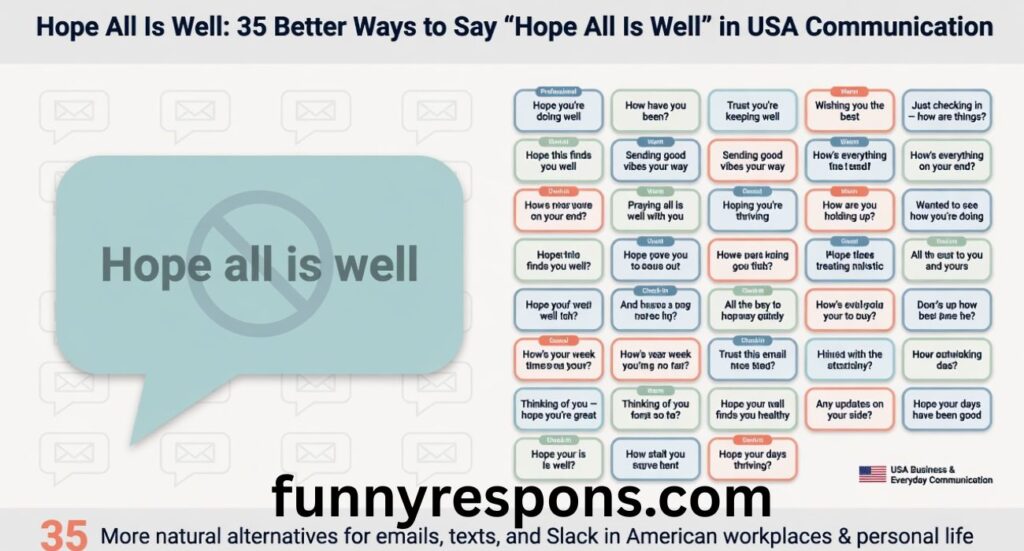
“I hope your day is bringing you small wins and good moments” feels uplifting and encouraging. It focuses on small positive experiences instead of big achievements, which makes it relatable and emotionally warm in daily communication.
This phrase supports warm greetings and strengthens positive tone writing by adding optimism without exaggeration. It works well in both personal and professional messaging where a friendly tone is important.
In relationship building messages, it creates a light and positive connection. It is often used in casual workplace communication or friendly check-ins where the goal is to encourage without sounding formal or rigid.
Read Also : Funny Ways to Say Goodnight Over Text: Creative Messages That Make Nights More Fun
31. I hope you’re staying grounded and doing well today
“I hope you’re staying grounded and doing well today” feels calm, stable, and emotionally balanced. It focuses on mental clarity and stability, which makes it suitable for thoughtful communication in both personal and professional contexts.
It fits well in informal greetings and conversational messaging because it sounds natural and human. It avoids pressure while still showing care and awareness of the reader’s state of mind.
In wellness check-in messages, it works especially well. It helps create a supportive tone that feels steady and reassuring without being overly emotional or complex in structure.
32. I hope your day feels productive without feeling overwhelming
“I hope your day feels productive without feeling overwhelming” balances productivity with emotional well-being. It acknowledges effort while also promoting ease, which makes it highly relevant in modern workplace communication.
This phrase supports business communication phrases by keeping tone professional yet human. It is especially useful in environments where workload and stress need to be acknowledged respectfully.
In follow-up emails, it helps maintain a thoughtful tone. It shows understanding of time pressure while still keeping communication clear, supportive, and professional.
33. I hope you’re finding good energy in your day so far
“I hope you’re finding good energy in your day so far” feels modern and positive. It focuses on emotional energy rather than tasks, which makes it more engaging and relatable in everyday communication.
It fits well in conversational messaging and informal workplace interactions. It sounds friendly and natural without becoming too casual or unstructured, which is important in professional environments.
In networking messages, it helps create a warm and approachable impression. It works well when you want to sound encouraging while keeping communication simple and easy to follow.
34. I hope your day is giving you space to breathe and think clearly
“I hope your day is giving you space to breathe and think clearly” feels reflective and calming. It focuses on mental clarity and emotional space, which adds depth and softness to communication.
This phrase supports wellness check-in messages because it acknowledges stress and encourages balance. It also fits well in professional communication where tone needs to stay respectful and human.
In email greetings, it works well when discussing busy schedules. It helps create a thoughtful tone that feels supportive without being overwhelming or overly formal.
35. I hope you’re moving through today with confidence and ease
“I hope you’re moving through today with confidence and ease” feels encouraging and steady. It focuses on mindset and flow, making it suitable for motivational communication in both personal and professional contexts.
This phrase supports positive tone writing and works well in workplace communication. It helps reinforce confidence while keeping the message polite, natural, and easy to understand.
In business communication phrases, it adds subtle encouragement without pressure. It is often used in supportive messages where clarity, tone, and professionalism must stay balanced.
Fresh Alternatives to “Hope All Is Well” That Sound Natural in USA Emails
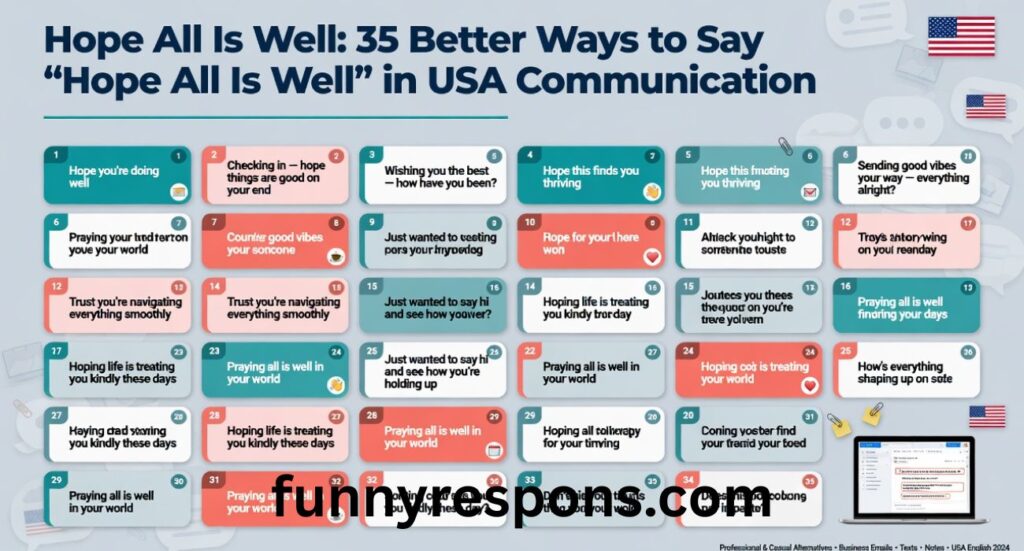
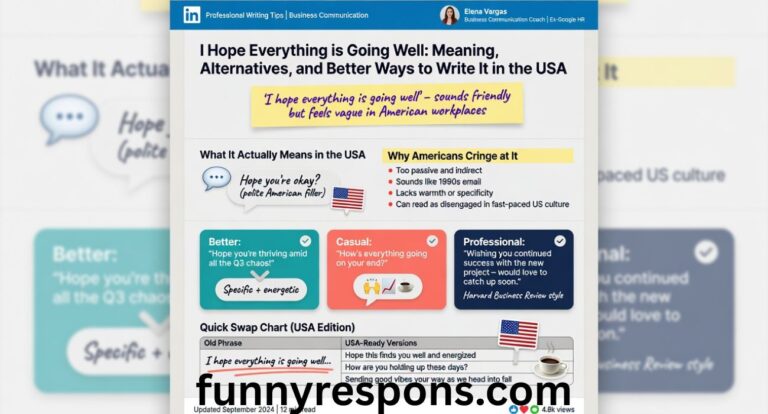
The phrase “hope all is well” is still common in American communication, but it often feels predictable. People in the USA now respond better to greetings that feel personal and natural. Strong email greetings help messages stand out and improve engagement without sounding forced or robotic.
Modern writers prefer varied business communication phrases that match tone and situation. A simple shift in wording can improve email etiquette and make communication feel more human. This is especially useful in follow-up emails, where tone can influence how quickly and warmly someone responds.
Why Modern Professionals Avoid Repetitive Email Opening Lines
Repetitive greetings like “hope all is well” reduce impact because readers see them too often. In fast digital communication, attention is short. That is why stronger professional email opening lines are important. They help create a fresh first impression and improve readability instantly.
Using varied warm greetings improves clarity and strengthens relationship building messages. It also supports better positive tone writing, especially in workplace communication where tone affects trust. Small changes in wording can make emails feel more intentional and engaging.
How to Choose the Right Greeting for Different Communication Situations
Choosing the right greeting depends on context, relationship, and tone. A formal email to a client needs structured language, while a friendly message allows relaxed phrasing. Good email etiquette requires matching tone to audience instead of using one phrase for everything.
For example, formal greetings work best in business communication, while informal greetings fit casual messages. Strong customer communication also depends on tone accuracy. Using the right greeting improves clarity and builds stronger professional relationships over time.
Natural and Human-Like Greetings That Improve Message Engagement
Human-like greetings feel more authentic because they reflect real conversation. Instead of relying on “hope all is well,” writers now use flexible conversational messaging that sounds direct and warm. This improves engagement because readers feel more personally addressed.
These greetings also support better networking messages by making communication feel less scripted. When tone is natural, people respond more positively. It also improves email greetings, especially in busy professional environments where clarity and warmth both matter.
Warm Email Greetings That Build Stronger Professional Relationships
Warm greetings help create trust in business communication. Instead of generic phrases, using thoughtful warm greetings shows attention and care. This small change improves first impressions and supports long-term professional relationships in the USA.
Strong business communication phrases also help maintain consistency across messages. They improve relationship building messages by making communication feel more human. Over time, this leads to better engagement in both follow-up emails and ongoing collaboration.
How Emotional Tone Improves Everyday Digital Communication
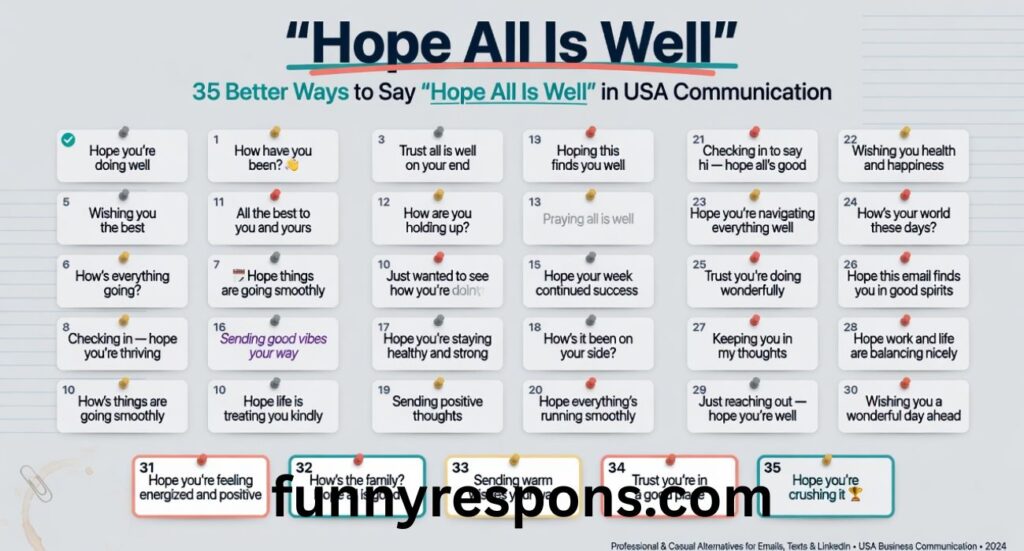
Emotional tone plays a major role in how messages are received. Simple phrases can change how a reader feels instantly. That is why better positive tone writing is important in both personal and professional communication.
Using supportive language in wellness check-in messages or daily updates helps build trust. It also improves email etiquette by making communication feel respectful and human. Even small emotional adjustments can significantly improve response quality.
Why Simple Language Works Better Than Complex Email Greetings
Simple language is easier to understand and feels more natural in communication. Overly complex greetings can sound artificial or forced. That is why modern email greetings focus on clarity instead of complicated wording.
Using simple polite expressions improves readability and makes messages more effective. It also supports better informal greetings and professional clarity. In the USA, simple communication often leads to faster responses and stronger engagement.
The Role of Greetings in Building Strong First Impressions
First impressions in email communication often depend on the opening line. A strong greeting sets the tone for the entire message. That is why improved professional email opening lines are essential in modern communication.
Better greetings also strengthen networking messages and improve trust. They help create a positive starting point, which is important in both business and personal interactions. Good tone increases the chance of a meaningful response.
How Better Greetings Improve Customer Communication and Trust
In customer communication, tone directly affects trust. A thoughtful greeting can make the reader feel valued and respected. That is why businesses now focus on improving customer communication strategies.
Using better business communication phrases also improves satisfaction and engagement. It supports smoother conversations and reduces friction in messaging. Over time, this leads to stronger customer relationships and better overall communication outcomes.
Why Variation in Greetings Makes Writing More Effective
Using the same phrase repeatedly makes communication predictable. Variation keeps writing fresh and engaging. That is why professionals now use different email greetings instead of repeating “hope all is well” in every message.
This also improves conversational messaging by making communication feel more natural. It supports better relationship building messages and increases reader attention. Variety helps messages feel more thoughtful and less automated.
Modern Email Etiquette for Better Digital Communication
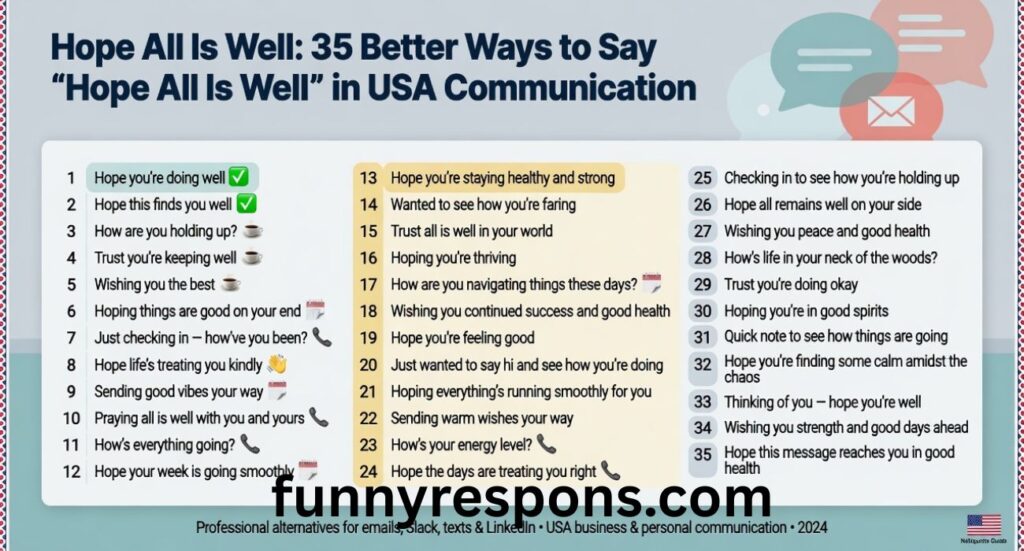
Modern email etiquette focuses on clarity, tone, and human connection. Instead of rigid templates, people now prefer flexible communication styles that adjust to context and audience. This makes messages more effective and engaging.
Using better formal greetings and informal greetings helps maintain balance in communication. It also improves follow-up emails and strengthens overall professionalism. Good etiquette today is about sounding human while staying respectful and clear.
FAQs
What does “hope all is well” mean?
It is a polite greeting used in emails or messages to show care for someone’s general well-being. It simply means you hope the person is doing fine in their life or work.
Is “hope all is well” too formal or outdated?
It is still acceptable, but many people find it overused. In modern communication, more natural and varied greetings are often preferred for a fresher and more personal tone.
When should I use “hope all is well”?
You can use it in professional emails, especially when contacting someone after a gap. It works best in formal or neutral business communication where tone should stay polite and safe.
What can I say instead of “hope all is well”?
You can use phrases like “I hope you’re doing great,” “Wishing you a wonderful day,” or “Hope everything is going smoothly” depending on tone and context.
Conclusion
The phrase hope all is well remains a simple and polite way to start communication in emails and messages. It helps people show respect and care in both personal and professional writing. Many people in the USA still use it in daily email greetings and business communication because it feels safe and neutral. However, modern communication now values more variety and personal tone. Using different expressions can make your message sound more natural and engaging.
Better alternatives to hope all is well improve clarity and connection in writing. Simple changes in wording help you build stronger relationships in work and social communication. These small improvements also support better email etiquette and more effective business communication phrases. When you choose your words carefully, you create messages that feel warm, clear, and respectful. This approach makes everyday communication easier and more meaningful for both sender and reader.