Have a Great Rest of Your Week in the USA: Meaning, Alternatives, and Email Writing Guide
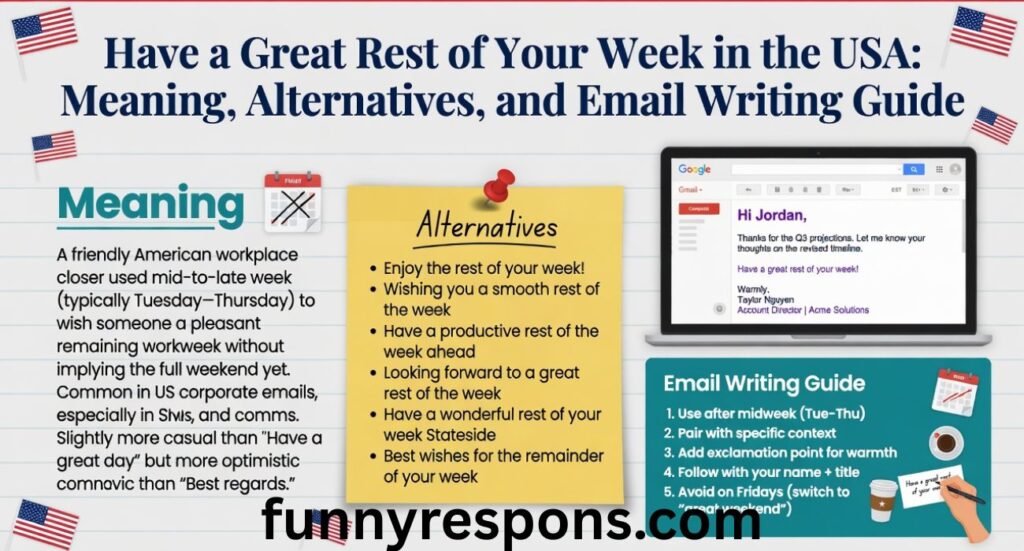
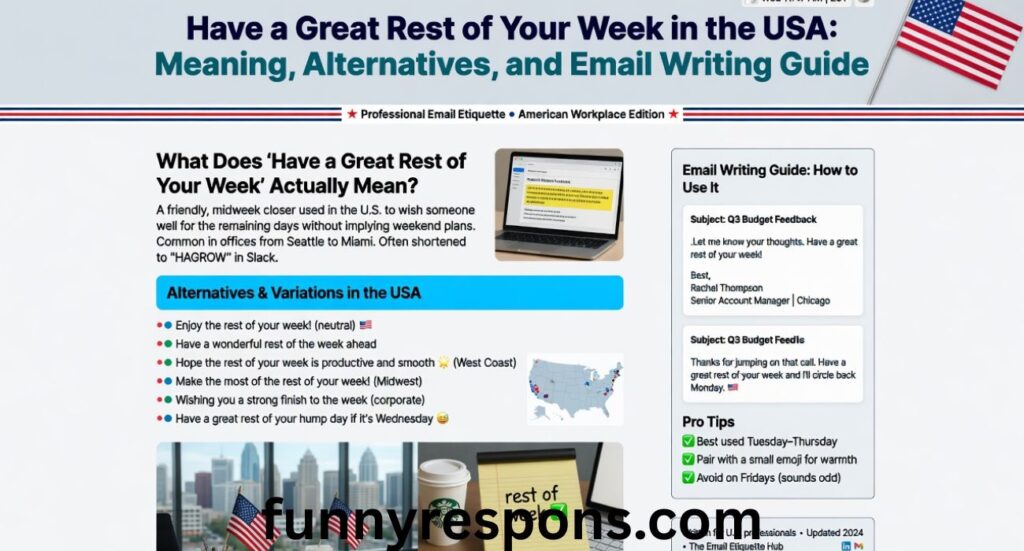
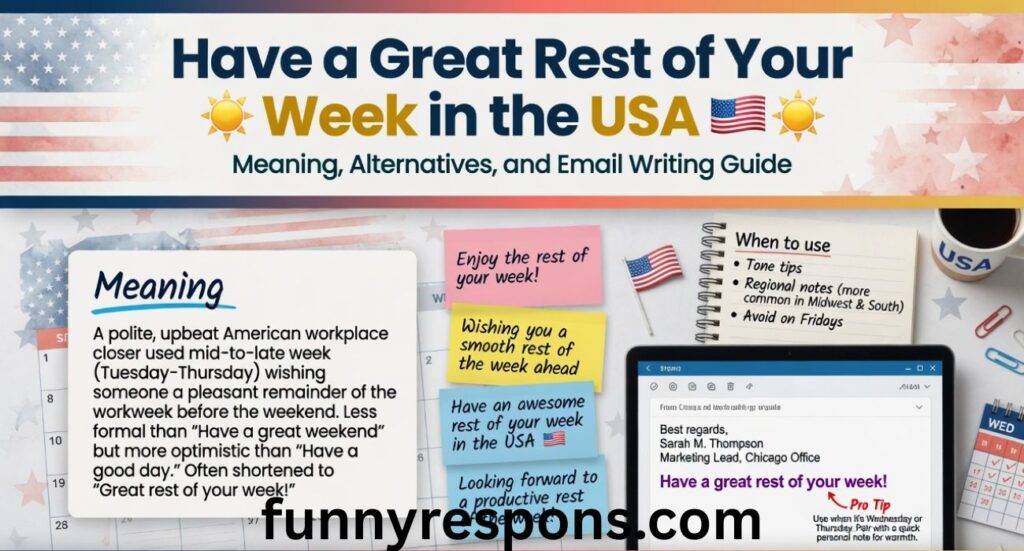
“Have a Great Rest of Your Week” is a polite email closing phrase. It is used in professional and casual messages. It shows respect and positive feelings toward the reader.
Many people use this phrase in daily email writing. It feels friendly and safe. It also helps create a good final impression in communication.
This phrase is common in workplace emails in the USA. It supports clear and kind communication. It also helps keep the tone simple and positive in messages.
Understanding “Have a Great Rest of Your Week” in Email Communication
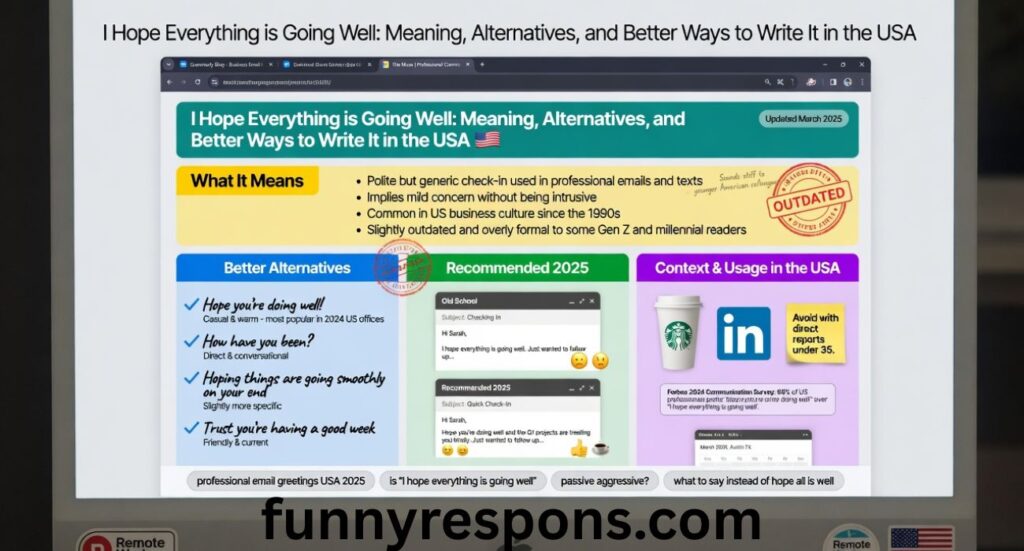
The phrase “Have a Great Rest of Your Week” is widely used in the USA in professional email communication. It feels friendly, polite, and safe for workplace messages. People often use it to close emails quickly while maintaining a positive tone in emails without overthinking the ending.
However, in modern business email writing, repetition can weaken impact. Strong email etiquette encourages variation in email closing phrases so messages feel natural. That is why many professionals now focus on email writing tips, improving tone in emails, and creating better email closing alternatives that feel more human.
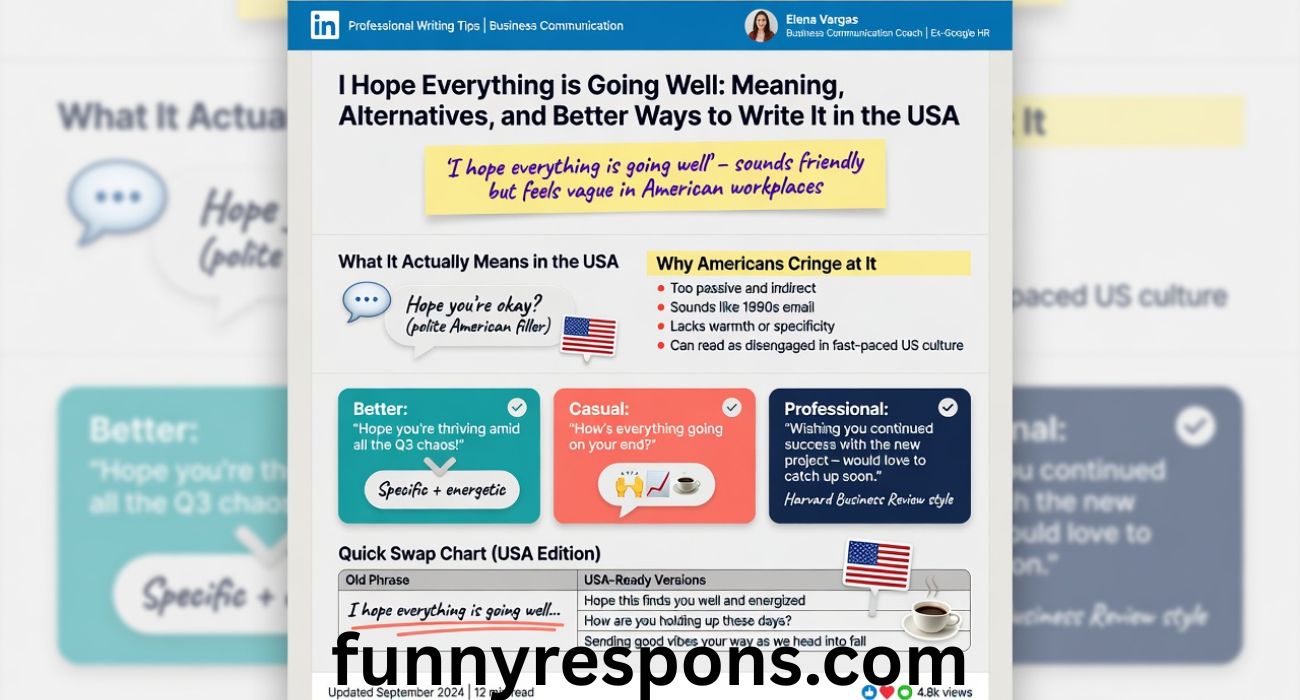
Read Also : I Hope Everything is Going Well: Meaning, Alternatives, and Better Ways to Write It in the USA
Why “Have a Great Rest of Your Week” Is So Common in Workplace Emails
This phrase works because it is simple and emotionally neutral. In workplace communication, people want safe expressions that do not sound too formal or too casual. That balance makes it one of the most used email sign off examples in daily office conversations.
Still, overuse creates predictable writing. That is why email writing improvement focuses on better friendly email closings and stronger professional tone. Good writers adjust email conclusion phrases depending on audience, message purpose, and emotional context.
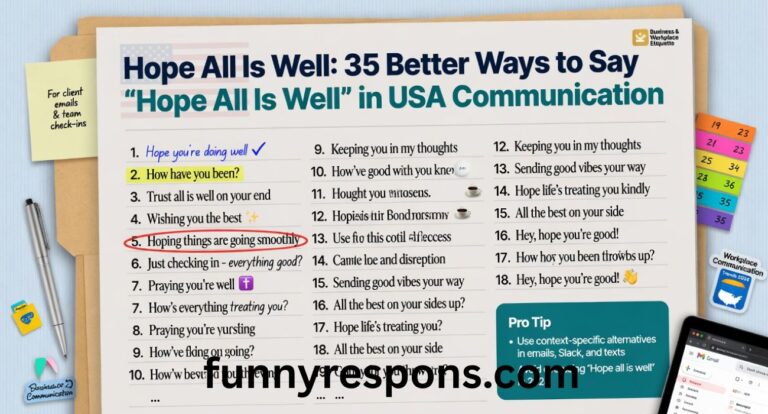
35 Alternatives to Say “Have a Great Rest of Your Week”
Below are structured alternatives used in modern professional email endings, casual email endings, and warm email closings. These improve email tone improvement, support better communication skills, and help create stronger positive email endings in daily writing.
1. Wishing you a wonderful week ahead
This phrase is warm and professional in email communication. It feels friendly yet respectful, making it suitable for workplace messages where tone needs balance between politeness and natural expression.
It improves email tone by softening communication and avoiding repetitive closings. It brings freshness to writing style and helps messages feel more engaging, natural, and less mechanical overall in structure.
Professionals use it in email writing tips because it supports better closing alternatives. It works in formal and casual email endings, enhancing clarity, warmth, and communication effectiveness across contexts.
2. Enjoy the days to come
This phrase is simple and relaxed in tone. It works well in casual email endings where communication needs to stay light, natural, and easy to understand without formal pressure.
It improves friendly communication style by making messages feel approachable and real. It also supports better work email phrases that avoid stiffness or overly structured corporate language in daily use.
Writers often choose it as an email sign off example. It improves email writing by maintaining consistency in tone and creating smooth, warm, and natural email closure experiences.
3. Hope the rest of your week is fantastic
This phrase adds energy and positivity to email communication. It is commonly used in professional settings where encouragement and an upbeat tone are needed in closing messages to others.
It improves creative email endings by making communication more expressive and engaging. It feels stronger than basic closings and enhances overall tone improvement in both formal and casual writing.
It works well in business and casual emails. It supports balanced communication by combining friendliness with professionalism, making messages feel more human, thoughtful, and naturally encouraging.
4. Sending you positive vibes for the week
This phrase feels modern and friendly in tone. It is often used in casual email endings where emotional warmth matters more than strict formality in workplace communication or personal exchanges.
It improves email writing by replacing dull closings with more human expressions. It supports positive messaging and helps create smoother, more relatable communication in everyday professional interactions and updates.
Many people use it in friendly email closings. It enhances farewell lines by making them feel relaxed, natural, and emotionally supportive without sounding overly formal or structured.
5. Make the most of your week
This phrase is short, direct, and motivational. It is commonly used in productivity-focused communication where encouragement and action-oriented messaging are important in professional or semi-formal workplace environments.
It improves professional email endings by adding purpose and direction. Instead of simple closings, it encourages productivity, focus, and meaningful engagement with tasks and weekly goals ahead.
It strengthens business email etiquette by keeping communication structured and clear. It is one of the strongest concise closing phrases for motivating positive progress in work settings.
6. Have an amazing rest of the week
This phrase is expressive and positive in tone. It works well in warm email closings where friendliness is important but professionalism still needs to be maintained in communication.
It is widely used in email sign-offs because it feels natural and engaging. It improves tone without becoming overly formal or overly casual in workplace or personal messages.
It fits both casual and professional contexts. It keeps communication positive, readable, and approachable while maintaining a balanced tone suitable for many email situations.
7. Here’s to a productive week
This phrase is goal focused and commonly used in professional email communication. It sets a positive and structured tone while encouraging productivity and steady progress throughout the working week ahead.
It improves clarity in business email writing by making messages more purposeful. Instead of simple closings, it adds motivation and direction while still maintaining a professional and respectful tone overall.
It works well in team updates and workplace communication. It strengthens email structure and supports clear expectations, making it useful in formal environments where productivity and focus are important priorities.
8. Wishing you success for the rest of the week
This phrase is supportive and respectful in tone. It is often used in professional emails where encouragement and goodwill toward colleagues, clients, or partners is appropriate and appreciated in communication.
It improves email farewell lines by adding encouragement and positivity. It shows consideration for progress and outcomes while maintaining a balanced tone between professionalism and warmth in messaging style.
It works well in business communication because it remains polite and structured. It helps maintain strong professional relationships while keeping messages clear, encouraging, and appropriately formal in workplace settings.
9. May your week be filled with good moments
This phrase feels soft, warm, and emotionally positive. It is commonly used in friendly email communication where kindness and a gentle tone are more important than strict formality or structure.
It improves communication style by making messages feel more personal and thoughtful. It adds emotional depth and helps avoid robotic or overly mechanical expressions in everyday professional or casual writing.
It enhances tone by making emails feel calm and human. It is especially effective in semi formal communication where warmth and sincerity are important for maintaining good relationships.
10. Have a smooth and successful week

This phrase balances calmness with achievement. It is often used in professional email communication where clarity, encouragement, and steady progress are important elements of workplace tone and messaging style.
It improves email closing alternatives by combining reassurance with productivity focus. It avoids overly emotional language while still maintaining a friendly and supportive tone in structured communication environments.
It works well in business writing and team communication. It helps keep messages clear, professional, and encouraging, making it suitable for workplace emails requiring balance and clarity.
11. Cheers to the rest of your week
This phrase feels relaxed and informal in tone. It is often used in casual workplace communication where familiarity exists and a friendly, conversational closing style is preferred over formal structure.
It improves friendly email closings by making communication feel natural and easygoing. It avoids stiffness and helps messages sound more human and approachable in everyday professional interactions or updates.
It works best in casual email endings between colleagues or peers. It supports a relaxed tone while still maintaining respect and positive intention in communication exchanges.
12. Hope your week is full of joy
This phrase adds emotional warmth and positivity. It is commonly used in friendly or semi formal email communication where kindness and encouragement are important in closing messages.
It improves tone by making emails feel more human and less mechanical. It helps create emotional connection while still keeping communication appropriate for professional or personal contexts.
It works well in email farewell lines where positivity matters. It leaves a strong, pleasant impression and helps maintain a friendly and supportive communication style overall.
13. Wishing you a relaxing and rewarding week
This phrase balances rest and productivity in a thoughtful way. It is commonly used in professional email communication where both well-being and achievement are equally valued in tone and intent.
It improves email writing by combining emotional care with professional focus. It avoids overly formal or rigid language while still maintaining structure and clarity in workplace communication settings.
It works well in business emails where a balanced tone is important. It supports respectful communication while encouraging both calmness and meaningful progress throughout the week.
14. Enjoy the rest of your busy week
This phrase shows empathy and understanding. It is often used in workplace communication where acknowledging workload and effort helps maintain a supportive and respectful professional tone in messaging.
It improves tone in emails by making communication feel realistic and considerate. It avoids sounding detached and instead reflects awareness of the recipient’s responsibilities and daily work pressure.
It works well in professional environments where understanding and support matter. It helps build positive relationships by showing recognition of ongoing effort and commitment in tasks.
15. Make this week count
This phrase is short, strong, and motivational. It is commonly used in professional and productivity focused communication where encouragement and action oriented thinking are important in messaging style.
It improves email endings by adding purpose and direction. Instead of simple farewells, it encourages focus, effort, and meaningful engagement with tasks throughout the week ahead.
It works well in workplace communication where clarity and motivation matter. It supports structured messaging and helps inspire productivity in both individual and team contexts.
16. Hope the week treats you well
This phrase feels natural and conversational in tone. It is commonly used in friendly communication where simplicity and warmth are preferred over formal or complex expressions in email writing.
It improves polite email phrases by keeping messages light and human. It avoids stiffness and helps maintain a friendly tone that feels approachable and easy to read.
It works well in casual email endings and semi formal communication. It helps create smooth, positive interactions while maintaining respect and clarity in professional exchanges.
17. Wishing you energy and focus this week
This phrase emphasizes productivity and mental clarity. It is commonly used in professional communication where performance, concentration, and motivation are important elements of workplace messaging tone.
It improves email closings by encouraging strength and attention. It avoids generic endings and instead adds meaningful support for productivity and effective task completion throughout the week.
It works well in business email writing and structured communication. It helps maintain a professional tone while still offering encouragement and positive intention in messaging.
18. Have a bright and beautiful week ahead
This phrase is positive, warm, and uplifting. It is often used in personal or semi formal email communication where emotional friendliness is important alongside respectful tone and expression.
It improves positive messaging by adding emotional brightness and warmth. It helps emails feel more human, supportive, and pleasant without becoming overly casual or unprofessional in tone.
It works well in friendly email closings across different contexts. It leaves a positive impression and supports kind, thoughtful communication in both work and personal exchanges.
19. Sending good thoughts for your week
This phrase feels personal, kind, and supportive in tone. It is often used in friendly or semi formal email communication where emotional warmth is valued alongside respectful professional interaction.
It improves email farewell lines by adding sincerity and care. It avoids mechanical phrasing and helps messages feel more human, thoughtful, and emotionally connected in everyday communication contexts.
It works well in workplace and personal emails. It supports a balanced tone that is neither too formal nor too casual, making it suitable for many communication situations.
20. Hope your week is stress-free and joyful
This phrase focuses on well-being and emotional ease. It is commonly used in positive email communication where reducing pressure and promoting calmness is important in tone and intention.
It improves email tone by making messages more supportive and considerate. It helps reduce rigidity in communication and adds warmth and encouragement for a more comfortable reading experience.
It works well in both personal and professional settings. It is especially useful when you want to express care and positivity while maintaining appropriate workplace communication style.
21. May the rest of your week be inspiring
This phrase encourages creativity and motivation. It is often used in professional or creative environments where ideas, imagination, and progress are important elements of communication tone.
It improves email endings by adding inspiration and forward looking energy. It moves beyond basic closings and introduces a sense of purpose and meaningful direction in messaging.
It works well in idea driven workplaces. It supports thoughtful communication where encouragement and creative momentum are valued in both individual and team interactions.
22. Have a peaceful and productive week
This phrase balances calmness with achievement. It is commonly used in professional email communication where both efficiency and well-being are important in maintaining a positive tone.
It improves email conclusion phrases by combining structure with emotional balance. It avoids overly formal language while still maintaining clarity and professionalism in workplace communication.
It works well in business and organizational settings. It supports respectful communication that values both productivity and mental calmness in daily work environments.
23. Hope you finish your week strong
This phrase is motivational and supportive in tone. It is often used in workplace communication where encouragement is needed during busy schedules or approaching deadlines in professional settings.
It improves email writing by reinforcing focus and determination. It helps replace generic closings with more meaningful and action oriented encouragement for completing tasks effectively.
It works well in deadline driven environments. It supports strong professional communication by motivating effort while maintaining a positive and respectful tone.
24. Wishing you a balanced and happy week
This phrase emphasizes emotional stability and positivity. It is commonly used in friendly or semi formal communication where well-being and satisfaction are important aspects of tone.
It improves email tone by adding care and emotional balance. It helps messages feel more thoughtful and human while avoiding overly rigid or mechanical phrasing in communication.
It works well in professional environments focused on well-being. It supports polite and considerate communication that values both happiness and balance in work and life.
25. Here’s to a week full of great opportunities
This phrase is positive, forward looking, and optimistic. It is often used in professional email communication where growth, success, and possibility are important parts of the message tone.
It improves email closing alternatives by replacing standard endings with motivational language. It encourages openness to progress and helps create a more inspiring communication style overall.
It works well in business email writing focused on achievement. It supports structured yet encouraging communication that highlights potential and maintains a professional and hopeful tone.
26. Hope your week flows smoothly
This phrase feels calm, natural, and easygoing. It is commonly used in professional email communication where a soft and polite tone is preferred over strict or formal language structures.
It improves email tone by making communication feel more human and relaxed. It replaces repetitive closings with a smoother expression that feels warm and approachable in writing.
It works well in business and casual email endings. It supports friendly communication while maintaining professionalism and is suitable for balanced workplace interactions.
27. Wishing you steady progress this week
This phrase focuses on consistency and gradual achievement. It is often used in business email communication where productivity and structured improvement are more important than fast results or pressure.
It improves professional email endings by adding purpose and direction. It encourages continuous effort while maintaining a calm and supportive tone in workplace messaging.
It works well in team communication and structured environments. It supports clear expectations and motivates steady growth without overwhelming pressure or overly intense language.
28. May your week bring calm and clarity
This phrase feels thoughtful and balanced in tone. It is commonly used in warm email communication where mental clarity and emotional stability are valued alongside professionalism and respect.
It improves email tone by introducing calmness and reducing stress in messaging. It helps replace repetitive closings with more meaningful and mindful expressions of support.
It works well in both personal and professional contexts. It supports polite communication that values clarity, peace, and emotional balance in everyday interactions.
29. Wishing you smooth days ahead
This phrase is simple, soft, and easy to understand. It is often used in casual email communication where natural tone is preferred over formal or structured expressions.
It improves friendly communication style by making messages feel relaxed and human. It avoids stiff wording and supports clear, approachable, and comfortable email interactions.
It works well in casual and semi formal endings. It helps maintain a light tone while still showing respect and positive intention in communication.
Read Also ; I Look Forward to Meeting You – Meaning, Tone, and Powerful Alternatives for Better Communication
30. Hope your week stays kind to you
This phrase feels warm, gentle, and personal. It is commonly used in positive email communication where emotional support and kindness are important in tone and message delivery.
It improves email farewell lines by making communication feel caring and thoughtful. It avoids robotic phrasing and helps create a more human and empathetic connection.
It works well in friendly and semi professional emails. It supports soft communication that emphasizes understanding, goodwill, and emotional positivity in workplace or personal messages.
31. Wishing you a week full of progress
This phrase is focused, clear, and goal oriented. It is commonly used in professional email communication where productivity and steady advancement are important parts of workplace messaging and tone.
It improves email closing alternatives by replacing generic endings with purposeful direction. It encourages achievement while maintaining a calm, structured, and professional communication style in business environments.
It works well in team emails and formal communication. It supports clarity and motivation, helping recipients stay focused on consistent improvement and meaningful progress throughout the week.
32. Hope your week brings good energy
This phrase feels light, positive, and encouraging. It is often used in friendly email communication where emotional tone matters as much as the message content in professional or casual exchanges.
It improves positive messaging by adding warmth and optimism. It helps emails feel more human, approachable, and engaging without sounding overly formal or structured in tone.
It works well in casual and semi formal endings. It supports relaxed communication while still maintaining respect and goodwill in workplace and personal interactions.
33. Wishing you calm focus this week
This phrase emphasizes clarity, concentration, and peace. It is commonly used in professional email communication where productivity and mental balance are equally important in tone and intention.
It improves email writing by promoting structured yet supportive messaging. It avoids overly complex language while still maintaining professionalism and emotional balance in communication.
It works well in business and workplace emails. It supports effective communication that encourages focus while maintaining a calm and respectful tone.
34. May your week be productive and kind
This phrase combines achievement with emotional warmth. It is often used in professional email communication where balance between results and well-being is important in tone and messaging.
It improves email writing by blending productivity encouragement with kindness. It makes communication feel thoughtful, human, and supportive without losing professional structure or clarity.
It works well in both formal and semi formal emails. It supports polite communication that values success while also respecting emotional well-being.
35. Hope this week treats you gently
This phrase feels soft, caring, and emotionally supportive. It is commonly used in warm email communication where empathy and kindness are more important than formal structure or strict wording.
It improves email tone by making messages feel more personal and human. It avoids robotic expressions and adds emotional depth to everyday communication in professional or casual settings.
It works well in friendly and semi professional emails. It supports a gentle tone that shows understanding, care, and positive intention in communication.
36. Wishing you a week of small wins
This phrase is motivational and realistic in tone. It is often used in workplace communication where steady progress and achievable goals are more important than pressure or perfection.
It improves professional email communication by encouraging consistent effort. It replaces generic closings with meaningful support for progress and daily achievements in work environments.
It works well in modern business writing. It supports structured communication that values growth, encouragement, and positive reinforcement in professional and team settings.
Fresh Alternatives to “Have a Great Rest of Your Week” for Modern Email Closings
This phrase works well as an umbrella idea for people searching better email endings. In the USA, many professionals now move away from repetitive lines and focus on email closing alternatives that feel more natural. It supports better professional email communication and improves overall tone in emails.
Using varied language helps in business email writing because readers notice freshness. Instead of repeating “Have a great rest of your week”, writers now prefer creative email endings and stronger friendly email closings that match workplace context and emotional tone.
Polite Email Sign-Offs That Sound Natural and Human
Polite endings matter in daily workplace communication because they shape how your message feels at the end. A simple shift in wording can improve email tone improvement and make communication feel more personal instead of mechanical or repetitive.
Good email etiquette depends on balance between warmth and clarity. Using natural email sign-off examples helps avoid stiff formal email closings while still maintaining a professional tone that fits both clients and coworkers.
Friendly Email Closings That Build Better Workplace Relationships
Friendly closings help create stronger connections in professional email communication. Instead of using the same “Have a great rest of your week”, people now prefer softer email farewell lines that feel more human and thoughtful.
This style improves communication skills because it shows emotional awareness. In business email writing, small changes in tone can improve trust and make your messages feel more engaging and less robotic over time.
Professional Email Endings That Improve Tone and Clarity
Strong email endings help maintain clarity in workplace communication. When messages end well, they leave a positive impression and support better understanding. That is why professionals focus on improving email closing phrases regularly.
Using clear and structured professional email endings helps avoid confusion. It also strengthens email writing improvement by making communication more purposeful, especially in formal business environments where tone matters as much as content.
Creative Email Endings for Better Engagement and Response
Creative endings help emails stand out in busy inboxes. Instead of repeating common phrases, writers now use creative email endings that improve attention and encourage replies in professional email communication.
This approach enhances email tone in emails by making messages feel fresh and intentional. It also supports better friendly communication style, especially when you want your message to feel more engaging and less predictable.
Warm Email Closings That Feel Personal and Supportive
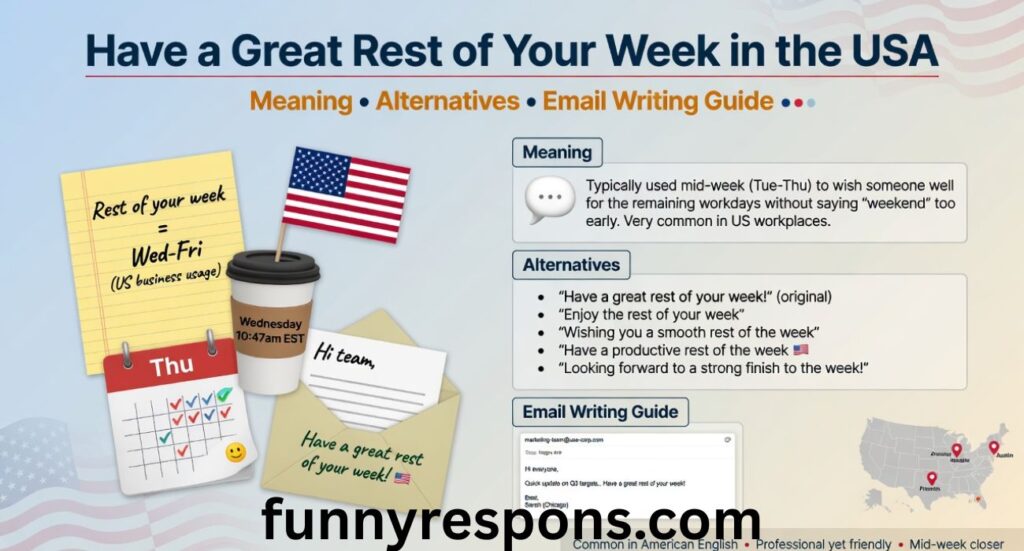
Warm closings add emotional depth to messages in workplace communication. They help replace generic phrases like “Have a great rest of your week” with more thoughtful warm email closings that feel sincere.
This improves positive messaging and makes emails feel more human. In business email writing, warmth helps build trust and supports stronger long-term professional relationships between senders and recipients.
Casual Email Endings for Everyday Workplace Conversations
Casual endings are useful in daily communication where formality is not required. Many professionals prefer casual email endings to keep messages light and easy while still maintaining respect.
These endings improve friendly email closings and support better email tone improvement. They help avoid overly formal expressions and make workplace communication feel more natural and conversational.
Email Writing Tips to Replace Repetitive Week-End Phrases
Good writing improves when you stop repeating the same endings. Many experts suggest using email writing tips that focus on variety instead of relying on “Have a great rest of your week” every time.
This helps improve email writing improvement and strengthens email etiquette. It also supports better email closing phrases that feel more personalized and appropriate for different communication contexts.
Better Email Sign-Off Examples for Professional Use
Using strong examples helps improve daily writing habits. Many professionals study email sign off examples to understand how tone changes meaning in professional email communication and workplace messages.
These examples improve business email writing by showing how small wording changes create better clarity. They also support stronger email conclusion phrases in both formal and informal communication.
Email Tone Improvement for Stronger Communication Impact
Tone plays a major role in how emails are received. Improving email tone improvement helps messages feel clearer, friendlier, and more effective in workplace communication.
It also strengthens professional tone by balancing warmth and structure. Better tone leads to stronger positive email endings, which improve engagement and make communication feel more natural and respectful.
Business Email Etiquette and Better Email Closings
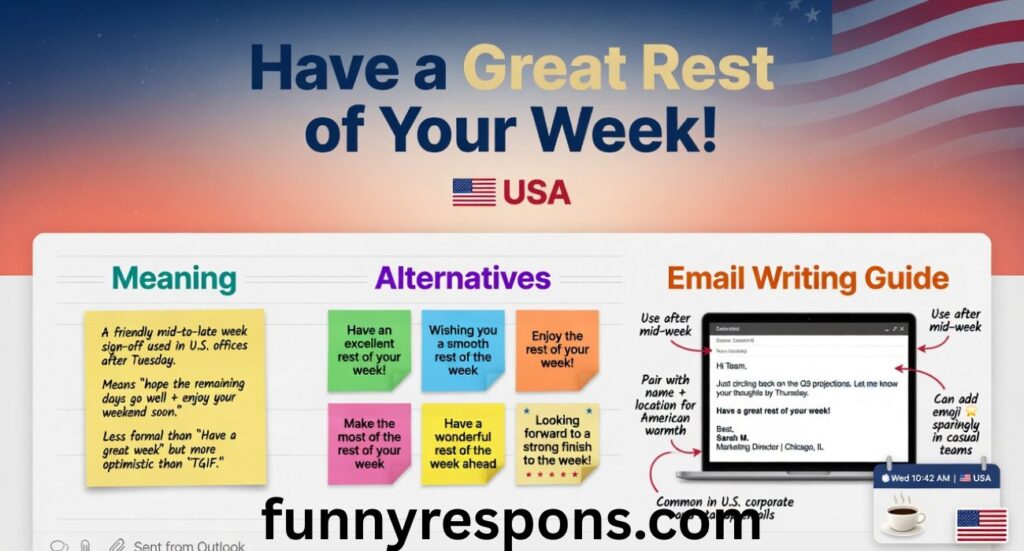
Good etiquette shapes how people perceive your professionalism. In modern business email etiquette, using varied email closing alternatives is seen as a sign of strong communication skills.
It also improves professional email communication by reducing repetition and increasing clarity. Strong etiquette helps create better impressions and supports more effective workplace relationships over time.
FAQs
What does “Have a Great Rest of Your Week” mean in emails?
It is a polite email closing used in professional communication to wish someone well for the remaining days of the week. It adds a friendly and positive tone before ending a message.
Is “Have a Great Rest of Your Week” professional?
Yes, it is generally considered professional and safe for workplace emails. However, it can feel repetitive, so many people use alternative email closing phrases for better tone variety.
When should I use “Have a Great Rest of Your Week”?
You can use it in work emails, client messages, or casual professional communication when you want a simple and polite closing. It works best when no strong emotional tone is needed.
What are better alternatives to “Have a Great Rest of Your Week”?
You can use creative email endings like “Wishing you a productive week ahead” or “Hope your week goes smoothly” to make your message feel more natural and engaging.
Conclusion
In everyday professional communication, the phrase Have a Great Rest of Your Week plays a simple but important role. It helps you end an email in a polite and friendly way. Many people in the USA use it to show respect and positive intention. It keeps workplace communication smooth and pleasant. However, using the same phrase again and again can make emails feel less natural. That is why learning different email closing options can improve your writing style and make your messages more effective.
Good email writing always depends on clear tone and variety. When you use different closing phrases, you improve your professional communication skills and make your emails sound more thoughtful. Simple changes in words can create a better impression on readers. You should focus on easy and natural expressions that match the situation. A balanced use of polite endings helps maintain respect while keeping your writing fresh and meaningful in daily work communication.