
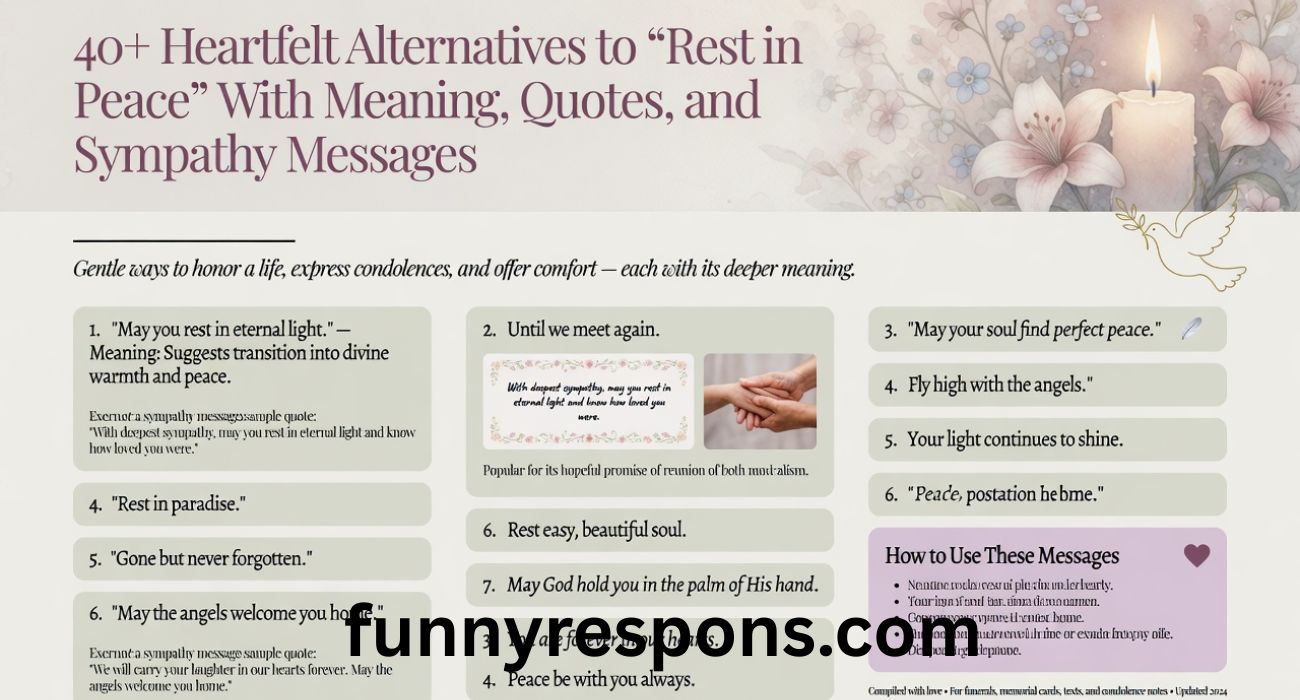
40+ Heartfelt Alternatives to “Rest in Peace” With Meaning, Quotes, and Sympathy Messages
Rest in Peace means a kind wish for someone who has died. It expresses hope that the person finds eternal calm after death. People use this phrase to show respect and love in a simple way.
Death brings strong emotions for family and friends. Many people feel lost when they try to speak during sad moments. Simple and gentle words help them share feelings without causing more pain.
Rest in Peace appears in funerals, memorials, and sympathy messages. It helps people honor loved ones with care and dignity. This phrase gives comfort and support when people face grief and emotional loss.
Rest in Peace Meaning

The phrase “Rest in Peace” comes from the Latin words “Requiescat in Pace.” For centuries, people have used this expression during funerals, memorial ceremonies, and church services to wish eternal calmness upon someone after death. The wording symbolizes freedom from pain, emotional suffering, and earthly struggles.
Today, many people search for another word for rest in peace, softer comforting words after death, or a meaningful rest in peace synonym because modern sympathy language feels more personal and emotional. Families now prefer warmer expressions that create stronger emotional connection during moments of grief and remembrance.
Read Also : Hope All Is Well: 35 Better Ways to Say “Hope All Is Well” in USA Communication
Alternatives to “Rest in Peace”
People often search for meaningful farewell phrases, condolences phrases, and emotional memorial wording because grief affects everyone differently. Some prefer spiritual language while others choose modern, gentle, or poetic expressions that sound more comforting and compassionate than traditional funeral phrases.
Modern memorial culture includes social media tributes, funeral speeches, online condolences, and sympathy messages. Because of that shift, many families now use personalized condolence messages, expressions of sympathy, and farewell tribute ideas that sound thoughtful, emotional, and deeply human instead of formal or distant.
1. Gone but not forgotten
The phrase gone but not forgotten reminds grieving families that love and memory continue forever. Even after death, someone’s laughter, advice, kindness, and emotional presence remain alive through memories shared by family members and close friends during everyday life.
This expression appears often in memorial speech phrases and remembrance quotes because it balances sadness with hope beautifully. Families use it during funeral ceremonies and memorial tributes to honor loved ones whose emotional impact continues across generations and family traditions.
People appreciate this phrase because it sounds timeless, sincere, and emotionally comforting. Instead of focusing only on grief, it highlights emotional legacy and remembrance. These words gently reassure grieving people that meaningful relationships never completely disappear after someone passes away.
2. Peaceful journey
The phrase peaceful journey presents death as a calm transition instead of a painful ending. Many spiritual communities use this wording because it creates soothing emotional imagery connected to serenity, healing, and eternal calmness beyond earthly suffering and emotional struggles.
Families often include peaceful journey sayings inside funeral programs and sympathy cards because the wording sounds gentle and compassionate. These words help grieving relatives imagine loved ones continuing peacefully into another stage filled with rest, comfort, and emotional freedom after death.
This expression also works beautifully inside spiritual condolence messages because it combines kindness with emotional hope naturally. Instead of emphasizing loss alone, it focuses on peace, healing, and emotional calmness during difficult periods of mourning and painful emotional reflection.
3. Eternal rest
The phrase eternal rest carries strong spiritual meaning connected to everlasting peace after death. Churches and religious communities often include this wording during funeral prayers because it reflects faith, emotional comfort, and hope for calmness beyond earthly life and suffering.
Families use this phrase frequently in funeral card wording because it sounds respectful, dignified, and emotionally soothing. The words create imagery of peaceful stillness and emotional release after painful experiences, illness, emotional exhaustion, and difficult personal struggles finally come to an end.
Many grieving people find comfort through this expression because it emphasizes peace instead of sadness. The phrase reassures families that loved ones now rest calmly and safely. Its timeless emotional warmth continues making it popular during memorial ceremonies and remembrance services.
4. In loving memory
The phrase in loving memory focuses on affection, gratitude, and emotional remembrance instead of loss alone. Families often place these words on memorial plaques, obituary notices, tribute videos, and funeral programs because they honor someone’s life beautifully and respectfully.
These words remain popular inside family memorial messages because they celebrate relationships filled with love and emotional connection. Instead of highlighting sadness, the phrase encourages remembrance through happy memories, shared experiences, meaningful lessons, and emotional moments that continue living inside grieving hearts.
Many people choose this phrase because it sounds gentle and deeply human. It creates emotional warmth while honoring loved ones compassionately. The wording helps families focus on appreciation, emotional legacy, and beautiful memories instead of becoming completely overwhelmed by grief and sadness.
5. Forever in our hearts
The phrase forever in our hearts expresses an emotional connection that continues after someone passes away. Families use this wording because love never truly disappears. Emotional bonds remain alive through memories, traditions, stories, and moments shared together throughout life’s journey.
Many sympathy cards include forever in our hearts quotes because the words sound sincere and emotionally comforting. Grieving families often feel reassured hearing this phrase because it reminds them that emotional closeness remains strong even after physical separation through death and loss.
This expression appears often inside memorial speeches and funeral tributes because it balances sadness with warmth beautifully. These words help grieving relatives focus on emotional connection, love, and remembrance while honoring someone whose influence continues shaping their lives every day.
6. At peace now
The phrase at peace now comforts grieving families who witnessed illness, suffering, or emotional struggle before death. These words gently suggest that pain has ended and calmness has finally replaced hardship, emotional exhaustion, and physical discomfort after difficult experiences.
Families often use this wording inside grief support expressions because it provides emotional reassurance during painful moments. The phrase helps mourners focus on peace instead of suffering while encouraging emotional healing after long periods of caregiving, worry, sadness, and emotional fatigue.
This expression sounds natural and compassionate inside sympathy messages because it feels deeply human. Many grieving relatives quietly repeat these words during funerals because they create emotional comfort, reassurance, and calmness during moments filled with overwhelming sadness and painful emotional reflection.
7. May their soul find peace
The phrase may their soul find peace carries spiritual warmth and emotional compassion. Families often use these words during prayers, funerals, and remembrance ceremonies because they express hope that the departed person now rests peacefully beyond earthly pain and emotional suffering.
This expression appears frequently inside spiritual condolence messages because it blends faith with kindness naturally. Many grieving people feel comforted hearing these words because they focus on calmness, healing, and eternal peace instead of fear, sadness, and painful emotional separation.
People also include this phrase in sympathy cards and online memorials because it sounds graceful and sincere. These words remind grieving relatives that peace continues spiritually even after physical life ends and emotional goodbye moments become painfully real.
8. Forever remembered

The phrase forever remembered honors someone’s lasting emotional impact on family, friends, and communities. Parents, teachers, veterans, and mentors often receive this tribute because their kindness, wisdom, and emotional support continue shaping lives long after their passing.
This wording works beautifully inside memorial tribute words because it focuses on legacy instead of sadness alone. Families use these words during memorial speeches and funeral ceremonies to celebrate love, guidance, generosity, and emotional influence shared throughout someone’s meaningful life journey.
Many people appreciate this phrase because it sounds timeless and respectful without feeling overly formal. These words create emotional comfort by reminding grieving relatives that meaningful lives continue inspiring others through memories, stories, traditions, and emotional connection across generations.
9. Safe in heaven
The phrase safe in heaven comforts grieving people through faith and spiritual reassurance. Many Christian families use this wording because it creates imagery of loved ones protected peacefully within heaven surrounded by angels, eternal light, and divine love after death.
Children often feel emotionally reassured by this phrase because heavenly imagery sounds gentle instead of frightening. Parents sometimes explain loss softly by saying someone is safe in heaven watching lovingly over family members who continue missing them deeply every day.
This expression appears often inside sympathy messages and funeral tributes because it combines spiritual comfort with emotional warmth beautifully. The words help grieving families focus on peace, protection, and hope during emotionally difficult periods filled with sorrow and remembrance.
10. In God’s care
The phrase In God’s care expresses faith, trust, and emotional reassurance after someone passes away. Religious families often use these words because they believe loved ones now rest peacefully under divine protection surrounded by eternal calmness and spiritual comfort forever.
Church services and funeral ceremonies frequently include this wording because it sounds respectful, graceful, and emotionally comforting. Many grieving people find peace imagining loved ones protected lovingly by God after enduring earthly struggles, emotional pain, illness, or difficult personal experiences.
This phrase also works beautifully inside spiritual farewell expressions because it balances faith with compassion naturally. Families appreciate how these words create emotional calmness while honoring loved ones respectfully through prayer, remembrance, and meaningful spiritual reflection during grief.
11. Gone to a better place
The phrase gone to a better place softens grief by focusing on peace instead of pain. Many grieving families use these words because they create hope and emotional comfort during difficult moments filled with sadness, emotional exhaustion, and painful memories after loss.
This wording appears frequently inside comforting words after death because it sounds gentle and emotionally uplifting. Instead of emphasizing suffering or separation alone, the phrase encourages healing while helping mourners process emotional pain more peacefully and compassionately during grief.
Many Americans include this phrase inside memorial speeches and condolence cards because it feels warm and natural. The words reassure grieving relatives that loved ones now exist beyond fear, illness, worry, and emotional hardship in a calmer and more peaceful place.
12. Forever at rest
The phrase forever at rest creates peaceful imagery connected to calmness, silence, and emotional release after life’s struggles finally end. Families often choose this wording for memorial plaques and funeral programs because it sounds elegant, respectful, and emotionally soothing.
This expression appears often inside remembrance quotes and obituary notices because it communicates dignity and eternal peace beautifully. The wording comforts grieving hearts by suggesting someone now rests free from emotional stress, physical pain, and difficult earthly experiences forever.
Many funeral traditions continue using this phrase because it feels timeless and emotionally balanced. Families appreciate how the words create gentle reflection while honoring loved ones respectfully through compassionate remembrance and peaceful memorial ceremonies during periods of emotional mourning.
13. In eternal peace
The phrase in eternal peace combines spiritual meaning with poetic emotional warmth. Many families use this wording because it suggests everlasting calmness beyond fear, sadness, suffering, and earthly pain after someone leaves physical life behind permanently and peacefully.
This phrase appears frequently in eternal peace sayings because it sounds graceful and emotionally comforting. Memorial speeches often include these words to help grieving people focus on peace, emotional healing, and spiritual calmness instead of becoming overwhelmed by grief and sadness.
People searching for meaningful farewell phrases often choose this expression because it feels sincere and uplifting. These words gently remind grieving families that emotional connection and love continue spiritually even after physical separation through death and painful goodbye moments.
14. May they rest in light
The phrase may they rest in light symbolizes peace, purity, and emotional comfort after death. Light often represents healing, spiritual goodness, and eternal calmness across many traditions which makes this wording deeply emotional and beautifully uplifting during memorial services.
Families searching for beautiful ways to say rest in peace often prefer this phrase because it sounds poetic and hopeful. Instead of focusing completely on grief, the wording highlights emotional warmth, spiritual brightness, and the lasting positive energy someone shared with others.
This expression works wonderfully inside funeral speeches and online memorials because it feels graceful and compassionate. The phrase encourages emotional healing by helping grieving families remember loved ones through beauty, kindness, light, and emotional connection instead of sorrow alone.
15. With angels now
The phrase with angels now offers emotional reassurance through heavenly imagery and spiritual comfort. Many grieving families imagine loved ones surrounded by angels peacefully which helps reduce fear, loneliness, and emotional heaviness during painful periods of mourning and remembrance.
This wording feels especially comforting when remembering parents, children, or deeply loved relatives. Families often include these words inside sympathy cards because they sound gentle, compassionate, and emotionally supportive instead of cold or overly formal during grief conversations.
Many memorial tributes also use this phrase because it creates emotional calmness naturally. The words help grieving relatives picture loved ones protected lovingly in heaven while remaining spiritually close to family members still processing sadness and emotional pain after loss.
16. Resting in glory
The phrase resting in glory carries strong spiritual meaning connected to faith, eternal peace, and heavenly reward. Religious communities often use these words during church memorials because they celebrate someone’s spiritual devotion, kindness, and meaningful life lived with compassion.
This wording appears frequently inside spiritual farewell expressions because it sounds respectful and emotionally powerful. Families use these words to honor parents, pastors, veterans, and loved ones whose lives reflected faith, generosity, emotional strength, and unwavering kindness toward others.
Many grieving believers find comfort hearing this phrase because it emphasizes hope and divine peace after death. These words help mourning families focus on spiritual reassurance, eternal joy, and emotional healing instead of becoming consumed entirely by sadness and grief.
17. Peace be with them
The phrase peace be with them sounds soft, calming, and universally respectful during moments of grief and remembrance. Unlike highly religious expressions, these words work beautifully across many beliefs because they focus on emotional peace and compassion naturally.
Families often include this phrase inside expressions of sympathy and funeral tributes because it sounds sincere and emotionally balanced. The wording creates gentle emotional comfort without becoming overly dramatic or emotionally distant during difficult conversations surrounding death and mourning.
This phrase remains popular during modern memorial services because it feels compassionate and inclusive. Grieving relatives appreciate how these words create calm emotional reflection while honoring loved ones respectfully through kindness, understanding, and thoughtful remembrance shared among family and friends.
18. Beyond the stars
The phrase beyond the stars creates imaginative and uplifting imagery connected to eternity, peace, and spiritual freedom. Many people prefer this poetic wording because it replaces fear and sadness with wonder, beauty, and emotional hope during memorial conversations and tributes.
Families often use this phrase inside farewell tribute ideas because it sounds artistic and emotionally meaningful. The words suggest loved ones continue existing peacefully somewhere beautiful beyond earthly suffering, emotional pain, and the hardships experienced throughout physical life and human existence.
This expression also appears frequently in online memorial posts because it feels modern and heartfelt. People searching for other ways to say rest in peace often choose this wording because it balances creativity with emotional sincerity and respectful remembrance beautifully.
19. At rest and free
The phrase at rest and free comforts grieving families by emphasizing emotional release and freedom from suffering after death. Many people use this wording when remembering loved ones who experienced illness, emotional hardship, or painful struggles throughout difficult periods of life.
This phrase appears frequently inside grief support expressions because it creates emotional reassurance instead of overwhelming sadness alone. Families often find comfort imagining loved ones finally free from hospitals, fear, emotional exhaustion, and physical discomfort after years of difficult experiences.
Many sympathy messages include these words because they sound compassionate and emotionally healing. The wording gently reminds grieving people that suffering eventually ended while calmness, peace, and emotional freedom finally replaced hardship and painful struggle after death occurred peacefully.
20. Rest in divine peace
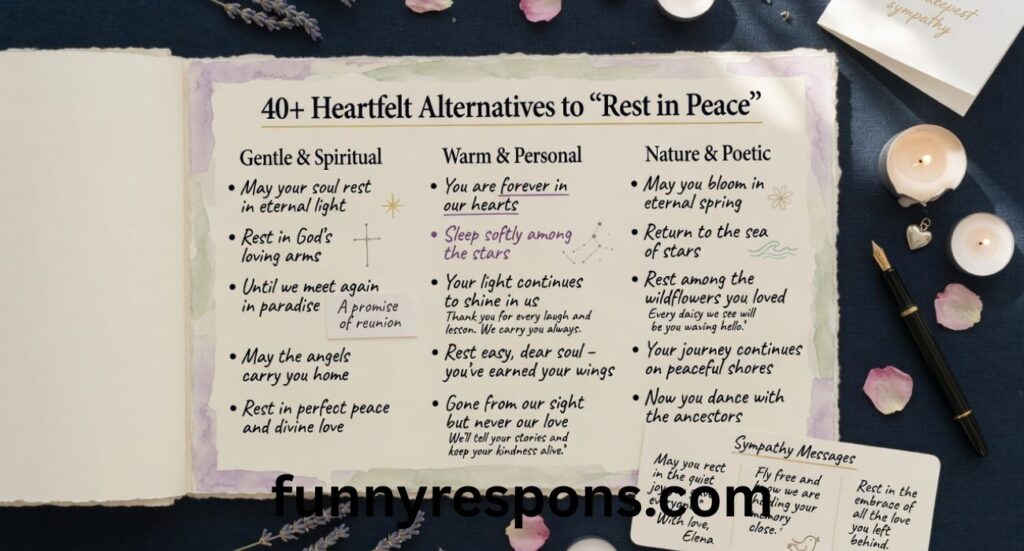
The phrase rest in divine peace blends spirituality, faith, and emotional tenderness beautifully during memorial moments. Religious families often use this wording during prayers and funerals because it expresses hope for sacred peace and eternal comfort after earthly life ends.
This phrase appears often in spiritual condolence messages because it sounds graceful and emotionally comforting. The wording reassures grieving relatives that loved ones remain surrounded by divine love, protection, and spiritual calmness beyond human pain and emotional suffering after death.
Many funeral programs include this expression because it creates emotional balance between faith and compassion naturally. Families appreciate how these words honor loved ones respectfully while encouraging peace, emotional healing, and spiritual reassurance during difficult periods of mourning and remembrance.
Read Also : Funny Ways to Say Hello: Funny Ways to Say Hello in Text Messages (USA Guide)
21. Journey well
The phrase journey well views death as part of a continuing spiritual path instead of a final ending. Families often choose this wording because it sounds uplifting, compassionate, and emotionally gentle during memorial speeches and moments of emotional reflection after loss.
This expression appears frequently inside personalized condolence messages because it creates hope instead of emotional heaviness. The words help grieving families imagine loved ones continuing peacefully beyond earthly struggles and difficult experiences toward calmness, healing, and spiritual freedom after death.
People searching for meaningful memorial language often appreciate this phrase because it feels sincere and modern. The wording honors someone respectfully while encouraging emotional comfort and healing during periods of grief, sadness, and painful remembrance shared among loved ones.
22. Laid to rest
The phrase laid to rest remains one of America’s most traditional funeral expressions. Funeral homes, churches, and obituary writers frequently use this wording because it sounds respectful, calm, and emotionally balanced during burial ceremonies and memorial services honoring loved ones.
This phrase communicates closure and peaceful rest without sounding emotionally cold or distant. Families often appreciate how these words create dignity while helping grieving relatives process emotional pain gently and compassionately after saying final goodbyes to someone deeply loved and remembered.
Many funeral announcements continue using this wording because it feels timeless and comforting. The phrase supports emotional reflection while honoring loved ones through respectful remembrance, compassionate funeral traditions, and meaningful ceremonies shared by grieving families and close friends together.
23. Rest easy
The phrase rest easy feels warm, personal, and emotionally honest during moments of grief and remembrance. Close friends and family members often prefer this wording because it sounds natural and heartfelt instead of overly formal or emotionally distant after losing someone deeply loved.
This phrase appears frequently inside rest easy messages and online memorial tributes because it creates emotional closeness naturally. The wording reassures grieving people gently while honoring loved ones through sincere language filled with compassion, warmth, emotional connection, and meaningful remembrance.
Many people appreciate this expression because simple words often create the strongest emotional comfort. Saying “rest easy” feels deeply human during painful moments when families struggle emotionally while remembering laughter, shared memories, and meaningful relationships built throughout life together.
24. Returned to the earth
The phrase returned to the earth connects death with nature, renewal, and the peaceful cycle of life itself. Families who value natural symbolism often choose this wording because it feels grounding, poetic, and emotionally calming during memorial ceremonies and remembrance gatherings.
This phrase reminds grieving people that life continues through nature, memory, and emotional legacy. Instead of focusing only on sadness, the wording encourages peaceful reflection about human connection with the earth, seasons, growth, and the beauty of natural existence itself.
Many people searching for non religious rest in peace phrases prefer this expression because it sounds spiritual without depending completely on religious teachings. The wording creates emotional peace while helping grieving families process sadness through calm and thoughtful reflection about life.
25. Resting in love
The phrase resting in love emphasizes emotional warmth, compassion, and lasting affection after death. Families often choose these words because they reassure grieving hearts that love remains powerful even after physical presence disappears from everyday family life and shared traditions.
This expression appears often inside heartfelt condolences because it sounds deeply compassionate and emotionally sincere. The wording comforts mourning relatives by focusing on emotional connection, kindness, and meaningful memories instead of overwhelming grief and painful emotional separation alone after loss.
Many people searching for comforting memorial language appreciate this phrase because it feels gentle and human. The words remind grieving families that love continues spiritually and emotionally even after final farewells and difficult goodbye moments become painfully real within everyday life.
26. Beautiful Ways to Say Rest in Peace
People searching for beautiful ways to say rest in peace usually want emotional wording that sounds warmer and more personal than traditional RIP messages. Personalized expressions often comfort grieving families more deeply because they feel sincere, compassionate, and thoughtfully chosen during difficult emotional moments.
| Beautiful Expression | Emotional Meaning |
| gone but not forgotten | Love and memory continue |
| peaceful journey | Calm spiritual transition |
| forever in our hearts | Lasting emotional connection |
| rest easy | Personal and gentle farewell |
| journey well | Hopeful spiritual goodbye |
These meaningful expressions create emotional comfort while helping grieving people feel understood and supported. Instead of focusing entirely on sorrow, the wording highlights remembrance, emotional connection, kindness, and healing during painful periods of grief and emotional reflection after loss.
27. How to Say Rest in Peace Message
Writing sympathy messages feels emotionally difficult because grief often overwhelms words completely. Many people worry about sounding awkward or insensitive during painful moments. The best condolences phrases sound sincere, compassionate, and emotionally honest instead of dramatic or overly formal.
A thoughtful message may simply say, “May their soul find peace and eternal comfort.” Another gentle message could read, “You will remain forever in our hearts.” Simple wording often feels stronger because emotional sincerity matters more than complicated or poetic language during grief.
Families also appreciate personalized condolence messages because they reflect real memories and emotional connection. Mentioning someone’s kindness, laughter, or support creates warmth and comfort that generic funeral wording sometimes fails to provide during difficult periods of mourning and remembrance.
28. Rest in Peace Quotes
Many people search for rest in peace quotes because quotes express emotions beautifully when personal words feel difficult to find. Writers, poets, and spiritual thinkers have long created remembrance quotes that comfort grieving families while offering emotional wisdom during periods of sadness.
One timeless quote says, “To live in hearts we leave behind is not to die.” Another touching line reads, “What we once enjoyed deeply we can never lose.” These memorial quotes for family and friends continue comforting hearts across generations because they express grief gently and meaningfully.
Quotes also work beautifully inside funeral speeches, obituary messages, and memorial captions because they sound thoughtful and emotionally rich. Families often choose literary or spiritual quotes that reflect peace, remembrance, emotional connection, and love shared throughout someone’s meaningful life journey.
29. How to Say Rest in Peace to a Friend
Losing a close friend creates unique emotional pain because friendships hold memories, laughter, secrets, and emotional support shared through life. Writing a meaningful rest in peace to a friend message should sound personal, warm, and emotionally sincere instead of formal or distant.
A heartfelt message might say, “Rest easy my friend. Your kindness changed so many lives.” Another emotional farewell could read, “Gone but not forgotten because your laughter still echoes inside my memories every day.” Honest emotions always matter more than perfect wording.
Friends often use casual yet emotional language during grief because close relationships feel deeply personal. Mentioning shared moments, inside jokes, or emotional support creates meaningful farewell tribute ideas that comfort grieving people while honoring friendship through warmth and genuine remembrance.
30. Non-Religious Way of Saying Rest in Peace

Many families now prefer non religious condolence phrases because they want comforting language without spiritual references. Neutral expressions still provide warmth, respect, and emotional support while remaining inclusive for people from different cultural backgrounds and personal beliefs about death.
Popular phrases include “Forever remembered,” “At rest and free,” and “Your memory lives on.” These expressions focus on emotional connection, remembrance, and human legacy instead of religious teachings, heaven, or spiritual afterlife imagery connected with traditional memorial language and funeral customs.
This style of wording works especially well during modern memorial services and diverse community gatherings. Families appreciate language that feels compassionate and human while respecting emotional preferences, personal beliefs, and individual ways people process grief and emotional loss after death.
31. Rest in Peace Message for Family Member
Writing family memorial messages feels deeply emotional because family relationships shape identity, love, and lifelong memories. Messages for parents, siblings, grandparents, or children should sound sincere, compassionate, and emotionally supportive instead of distant or overly formal during grief and mourning.
A daughter may write, “Mom, your love still guides me every day.” A grieving brother might say, “Rest peacefully knowing your kindness changed our family forever.” These simple words feel powerful because they reflect real emotional connection and shared experiences throughout life together.
Families often find comfort through heartfelt condolences that celebrate love instead of focusing completely on sadness. Mentioning traditions, memories, laughter, or emotional support helps grieving relatives feel emotionally connected while honoring loved ones through gratitude, remembrance, and compassionate reflection after loss.
32. Sleep in peace
The phrase sleep in peace offers a soft emotional farewell that feels calm and gentle. It creates the idea of quiet rest without pain or struggle, which comforts grieving hearts during difficult moments of loss, sadness, and remembrance.
This expression works well in funeral message ideas because it avoids harsh wording. Instead, it brings emotional softness and peace. Families often use it when they want sympathy messages that feel natural, warm, and easy to understand during grief.
People also include this phrase in expressions of sympathy because it sounds simple yet deeply comforting. It helps grieving families imagine their loved one resting peacefully, free from suffering, emotional pain, and all the struggles of life.
33. Until we meet again
The phrase until we meet again brings hope into grief by suggesting separation is not final. It comforts people who believe in spiritual reunion or emotional connection that continues beyond death, making goodbye feel less painful and more gentle.
This expression is common in farewell tribute ideas because it connects love with continuity. It reassures grieving families that emotional bonds do not end, even after physical separation, creating comfort during painful and emotional moments of loss.
Many people use it in memorial messages because it feels warm and hopeful. It replaces finality with gentle expectation, helping families focus on love, memory, and emotional connection that remains alive even after death.
34. Your memory lives on
The phrase your memory lives on focuses on emotional legacy and remembrance. It highlights how a person continues to exist through stories, love, and impact left behind in the hearts of family, friends, and communities.
It is often used in remembrance quotes because it shifts focus from loss to influence. Instead of sadness alone, it honors the meaningful life someone lived and the emotional marks they left on others.
This phrase brings comfort because it shows memory does not fade. Loved ones continue living through shared experiences, spoken stories, and emotional connections that remain strong even after physical presence is gone forever.
35. Rest among the stars
The phrase rest among the stars creates a poetic image of peace and beauty. It suggests the soul has moved into a vast, calm space filled with light, freedom, and emotional serenity beyond earthly struggles.
This expression is popular in memorial tribute words because it blends imagination with comfort. It helps grieving families picture their loved ones in a peaceful, beautiful place surrounded by light, silence, and endless calmness.
People prefer this phrase because it replaces sadness with wonder. It creates emotional healing by turning loss into something peaceful, gentle, and spiritually uplifting, making grief easier to process over time.
36. You are at peace
The phrase you are at peace is direct, simple, and emotionally reassuring. It gently confirms that suffering has ended and calmness has replaced pain, offering comfort to grieving hearts during emotional and difficult moments of loss.
It appears often in expressions of sympathy because it is easy to understand. The phrase avoids complex language and instead focuses on emotional acceptance, helping families process grief in a gentle and natural way.
This wording brings closure because it shifts attention from struggle to peace. It reassures grieving people that their loved one no longer feels pain, worry, or emotional burden after passing away from life.
37. Rest in gentle silence
The phrase rest in gentle silence creates a soft emotional atmosphere of calmness and peace. It suggests quiet rest without disturbance, pain, or emotional chaos, making it deeply soothing during grief and remembrance moments.
This expression fits well in comforting words after death because it feels peaceful and respectful. It avoids strong emotional language and instead creates stillness, helping grieving families find emotional balance and quiet reflection.
People use this phrase because silence represents peace and rest. It helps them imagine loved ones resting gently in calm surroundings, free from suffering, noise, or emotional distress of life.
38. May love surround you
The phrase may love surround you focuses entirely on warmth, care, and emotional connection. It expresses the idea that love continues even after death, surrounding the soul with comfort, kindness, and peaceful emotional energy.
This expression is often used in heartfelt condolences because it replaces sadness with love. It helps grieving families feel emotionally supported and reminds them that love does not end when physical life ends.
The phrase feels deeply human because it centers on emotional healing. It brings comfort by encouraging people to focus on love, memory, and emotional bonds that remain strong even after loss.
39. You will be missed always
The phrase you will be missed always expresses deep emotional loss and personal connection. It acknowledges the pain of absence while honoring the importance of someone who played a meaningful role in a person’s life.
This expression is common in family memorial messages because it feels honest and heartfelt. It allows people to express grief simply without needing complex or poetic wording during emotionally difficult moments.
The phrase focuses on love, memory, and emotional presence. It reminds grieving families that someone’s impact continues even after death, leaving behind memories that remain alive in everyday thoughts and emotions.
40. Rest where pain cannot reach
The phrase rest where pain cannot reach offers deep emotional comfort by imagining complete freedom from suffering. It suggests a peaceful place where illness, sadness, fear, and emotional struggles no longer exist.
This expression is often used in spiritual farewell expressions because it brings reassurance and calmness. It helps grieving families imagine loved ones in a place of complete emotional safety and eternal peace.
The phrase creates healing imagery by replacing grief with comfort. It helps people focus on peace, relief, and emotional acceptance during difficult moments of loss and remembrance shared with loved ones.
41. May you find endless peace
The phrase may you find endless peace expresses a wish for eternal calmness and emotional freedom. It feels soft, respectful, and comforting, making it suitable for many types of sympathy and remembrance messages.
This expression is often included in non religious condolence phrases because it does not depend on faith-based beliefs. Instead, it focuses on universal emotions like peace, love, and healing after loss.
The phrase helps grieving families feel calm and supported. It reminds them that peace continues beyond life, offering emotional comfort during sorrow, reflection, and the process of accepting someone’s passing.
Gentle Rest in Peace Messages That Bring Comfort After Loss
The phrase gentle rest in peace messages helps people express sympathy without sounding cold or repetitive. Many grieving families look for softer wording that feels personal and heartfelt during emotional moments. These expressions focus on peace, kindness, and remembrance instead of sadness alone, which makes them easier to share in difficult conversations.
People often use these messages in sympathy cards, funeral notes, and memorial posts because they sound natural and emotionally safe. Unlike traditional wording, they allow more emotional warmth and connection. This makes them ideal for anyone trying to support grieving loved ones with sincere, simple, and comforting language during loss and remembrance.
Beautiful Sympathy Words That Honor Loved Ones Respectfully
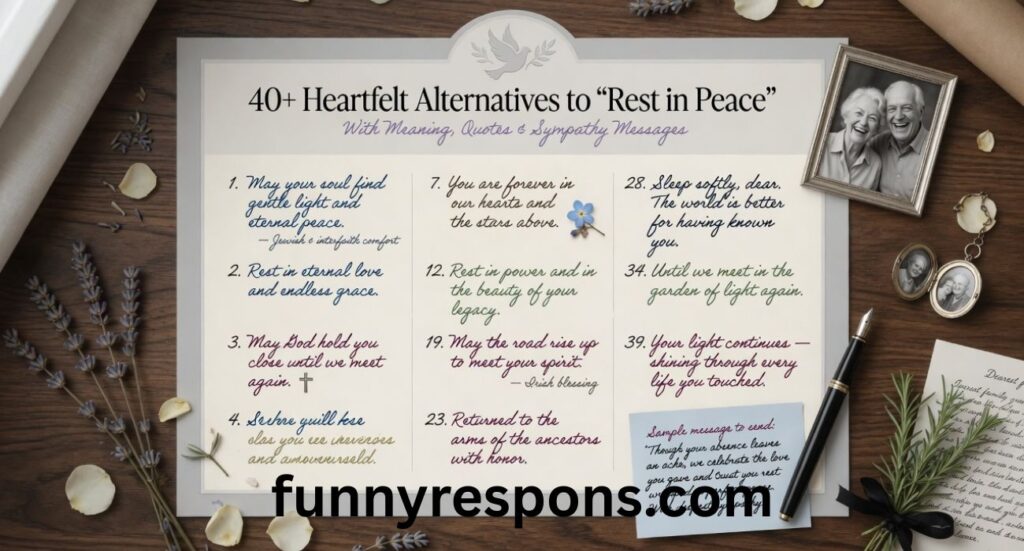
beautiful sympathy words help people show respect while keeping emotions gentle and meaningful. These words often highlight love, memory, and emotional legacy instead of focusing only on grief. Families appreciate language that feels thoughtful and calming during painful moments, especially when words are difficult to find.
Such expressions are widely used in funeral messages, tributes, and condolence notes because they balance sorrow with dignity. They help people communicate care without sounding distant or overly formal. This makes them powerful tools for honoring loved ones in a respectful and emotionally supportive way.
Meaningful Funeral Sayings for Heartfelt Memorial Tributes
meaningful funeral sayings provide comfort during one of life’s hardest moments. These expressions help families talk about loss in a way that feels gentle, respectful, and emotionally supportive. They focus on remembrance, love, and emotional connection rather than sadness alone, which helps ease grief slightly.
People often include these sayings in speeches, programs, and memorial cards. They help create a shared emotional space where memories can be honored. This allows friends and family to reflect together while finding small moments of comfort during the difficult process of saying goodbye.
Soft Rest Easy Messages for Personal Condolence Writing
soft rest easy messages offer a calm and simple way to express sympathy without overwhelming language. These phrases feel natural and personal, making them suitable for close friends and family members. They gently suggest peace while keeping emotional tone warm and supportive during grief.
Such messages are often used in private notes or informal tributes because they sound honest and heartfelt. They avoid complexity and instead focus on emotional comfort. This makes them especially helpful when someone wants to express care in a quiet, sincere, and meaningful way.
Non Religious Sympathy Phrases That Feel Warm and Inclusive
non religious sympathy phrases are becoming more common in modern communication. Many people prefer expressions that avoid spiritual references while still showing deep care and emotional support. These phrases focus on memory, love, and human connection rather than faith-based beliefs about the afterlife.
They are widely used in diverse communities where beliefs may differ. These messages create emotional inclusion and comfort without assumptions. This makes them ideal for workplaces, public tributes, and personal messages where sensitivity and respect for different perspectives are especially important during times of loss.
Peaceful Farewell Messages for Remembering Someone Special
peaceful farewell messages help people say goodbye in a calm and respectful way. These expressions focus on emotional closure, love, and gentle remembrance instead of pain or finality. They allow grieving individuals to express feelings in a way that feels soothing and supportive.
Such messages are often used in memorial services and personal tributes. They help people reflect on shared memories and emotional bonds. This creates a sense of peace during farewell moments, making it easier to accept loss while still honoring meaningful connections.
Emotional Condolence Words That Bring Healing and Support
emotional condolence words help people support grieving families with kindness and care. These words are chosen carefully to avoid causing more pain while still acknowledging loss. They focus on empathy, comfort, and emotional presence during difficult moments when support matters most.
These expressions are commonly shared in cards, messages, and spoken condolences. They help people feel less alone during grief. By offering warmth and understanding, these words create emotional support that helps individuals slowly process loss in a gentle and compassionate way.
Loving Memory Phrases for Honoring Lifelong Connections
loving memory phrases focus on the emotional bond that continues even after someone passes away. These expressions highlight love, shared experiences, and meaningful relationships that remain alive through memory. They help families celebrate life instead of focusing only on loss.
These phrases are often used in memorial pages, funeral programs, and tribute messages. They create emotional warmth and comfort by honoring the past. This makes them powerful tools for remembering loved ones in a way that feels respectful, personal, and emotionally meaningful.
Gentle Words for Grief Support and Emotional Healing
gentle words for grief support help people feel understood during painful emotional experiences. These expressions avoid harsh language and instead focus on comfort, care, and emotional healing. They are especially helpful when someone is struggling to accept loss and needs reassurance.
Such words are often used by friends, family, and support groups. They create a safe emotional space where grief can be expressed without judgment. This helps people slowly heal while feeling supported and emotionally connected during difficult life transitions.
Heartfelt Memorial Messages That Celebrate Life and Legacy
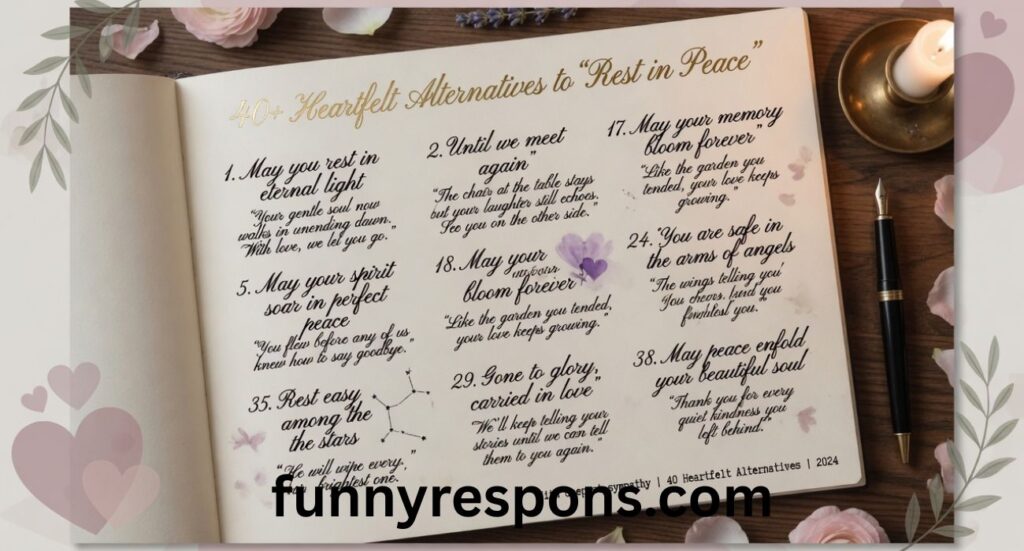
heartfelt memorial messages honor a person’s life by focusing on their legacy, kindness, and emotional impact. These messages help families remember positive moments instead of only grief. They highlight love, achievements, and meaningful relationships that continue to inspire others.
These expressions are often used in speeches, ceremonies, and written tributes. They help create emotional balance between sadness and celebration. This makes them powerful tools for remembering loved ones in a way that feels respectful, uplifting, and deeply human.
FAQs
What does “Rest in Peace” really mean?
“Rest in Peace” is a traditional phrase that wishes eternal calm and freedom from suffering after death. It expresses hope that the person has found peace beyond life’s struggles.
When should you say “Rest in Peace”?
You can say it in sympathy messages, funerals, or memorial posts when someone has passed away. It shows respect and offers emotional comfort to grieving families.
Are there better alternatives to “Rest in Peace”?
Yes, many people now use softer phrases like “forever in our hearts” or “peaceful journey” to sound more personal, warm, and emotionally meaningful.
Is “Rest in Peace” religious?
It has religious roots in Latin, but today it is widely used in both religious and non-religious contexts to express sympathy and remembrance.
Conclusion
The phrase Rest in Peace carries deep meaning for many people across the world. It expresses respect, love, and a quiet wish for eternal calm after death. Families use it during sad moments to honor someone who has passed away. It helps people show care when words feel hard to find. Even though it is simple, it holds strong emotional value and comfort for grieving hearts.
Many people also choose other gentle phrases when they want something more personal. Words like peaceful journey or forever in our hearts can feel warmer in different situations. Still, Rest in Peace remains one of the most respectful and widely used expressions. It continues to support people in moments of loss and remembrance with dignity, kindness, and emotional understanding.